The Elopement Photography Awards Are Changing What ‘Winning’ Means for LGBTQ+ Elopement Photographers
The Elopement Legend Photography Awards exist because elopement photography wasn’t being taken seriously as its own craft, and because there was no competition built to celebrate every couple in love, full stop. We spoke with Founder, Lucy Schultz about why LGBTQ+ inclusion was baked in from day one, what her judges look for in a winning shot, and what she wishes more LGBTQ+ couples knew before they elope.
Why did you start the Elopement Photography Awards, and why was LGBTQ+ inclusion non-negotiable from day one?
I started the Elopement Photography Awards because there was a gap in the photography awards offered worldwide, no place for photographers who specifically shoot elopements to show their grit.
I’d heard from wedding photographers that elopements were ‘easy,’ just a photoshoot on a mountain, when really they are so much more. Elopement photographers capture deep feeling, intimate vows, unposed shenanigans, and wild adventures under extreme conditions: unexpected pivots, rapidly changing weather, and grueling exertion.
Did I start an entire awards competition just to prove a point? Maybe a little bit .
It was a no brainer to be openly LGBTQ+-celebrating, as anything else would be discriminatory and bigoted, full stop. I didn’t want photographers to question whether they should submit all couples in love, or whether they could win, because of course they can.
The Elopement Photography Awards exist because elopement photography wasn’t being taken seriously as its own craft, and because there was no competition built to celebrate every couple in love, full stop. We spoke with founder Lucy about why LGBTQ+ inclusion was baked in from day one, what her judges look for in a winning shot, and what she wishes more LGBTQ+ couples knew before they elope.
How does judging work, and what actually makes a winning elopement photo?
We don’t have a set panel of judges. Instead, one judge is selected per round. Most importantly, all of our judges are full time, LGBTQ+-celebrating elopement photographers who simply get it. These are photographers who have seen the stories unfolding at their own elopements and understand the context and difficulty behind taking these images.
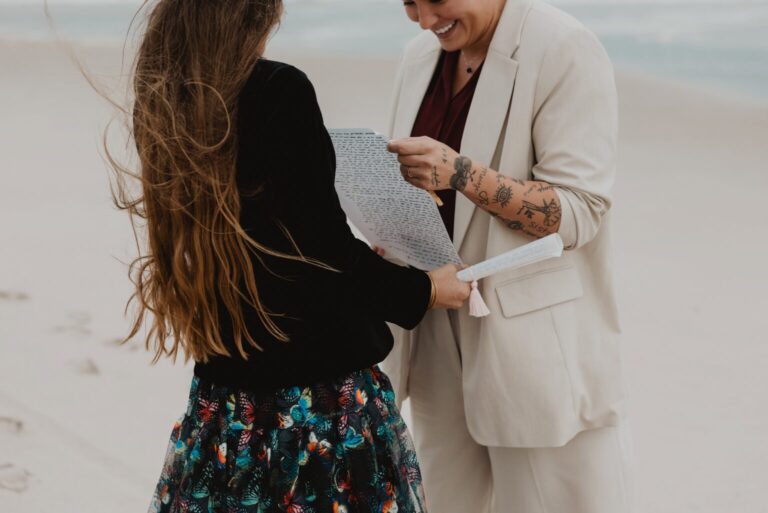
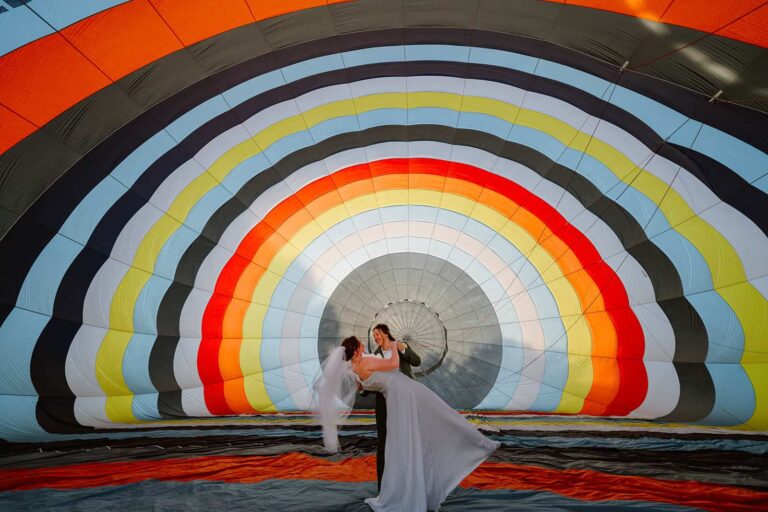
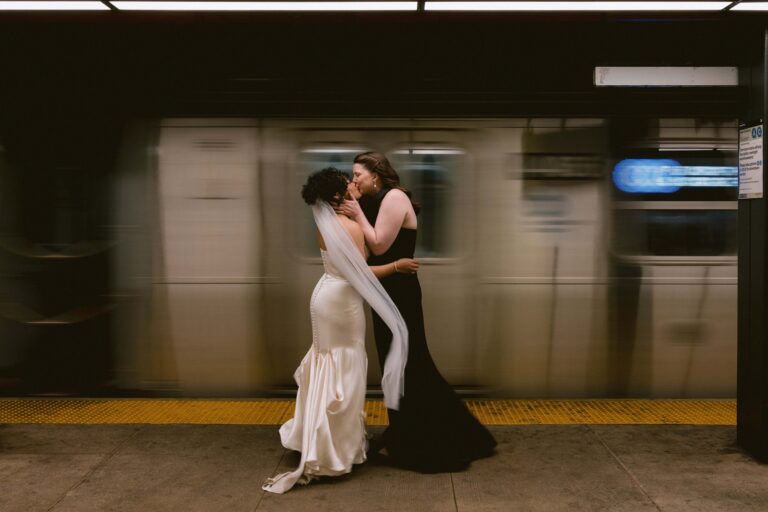
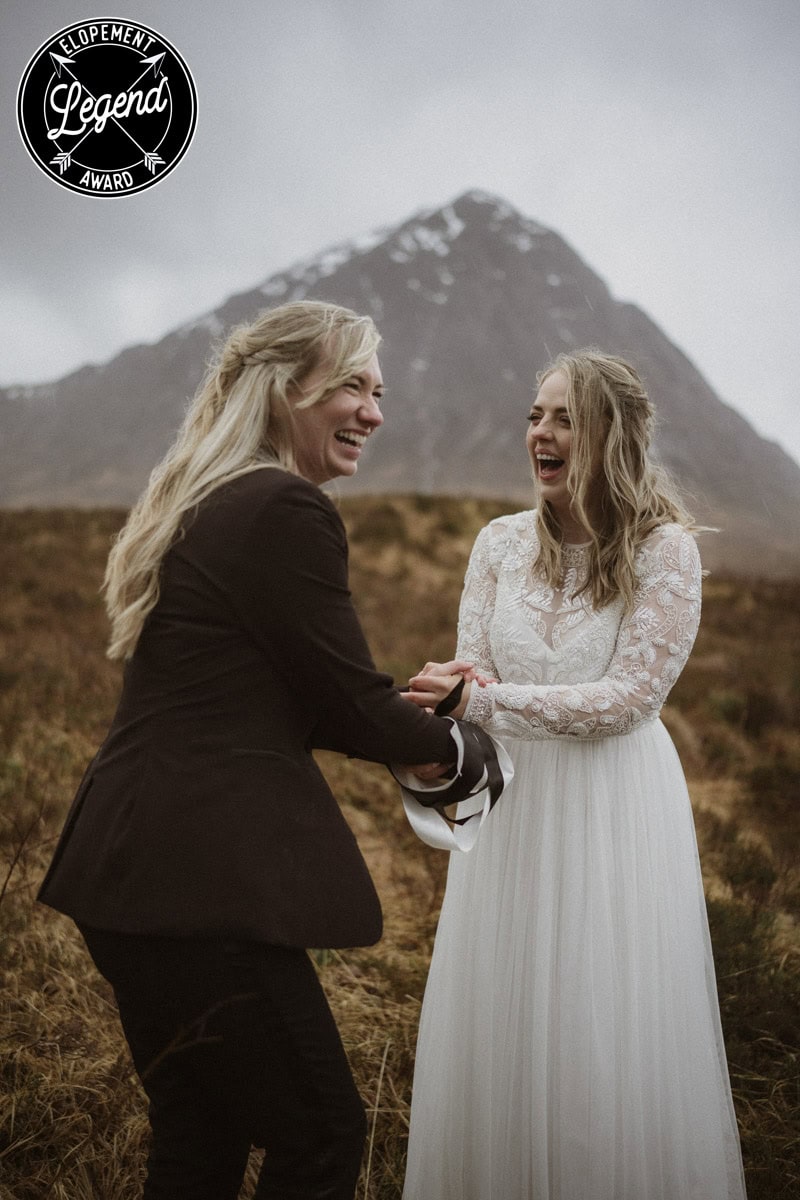
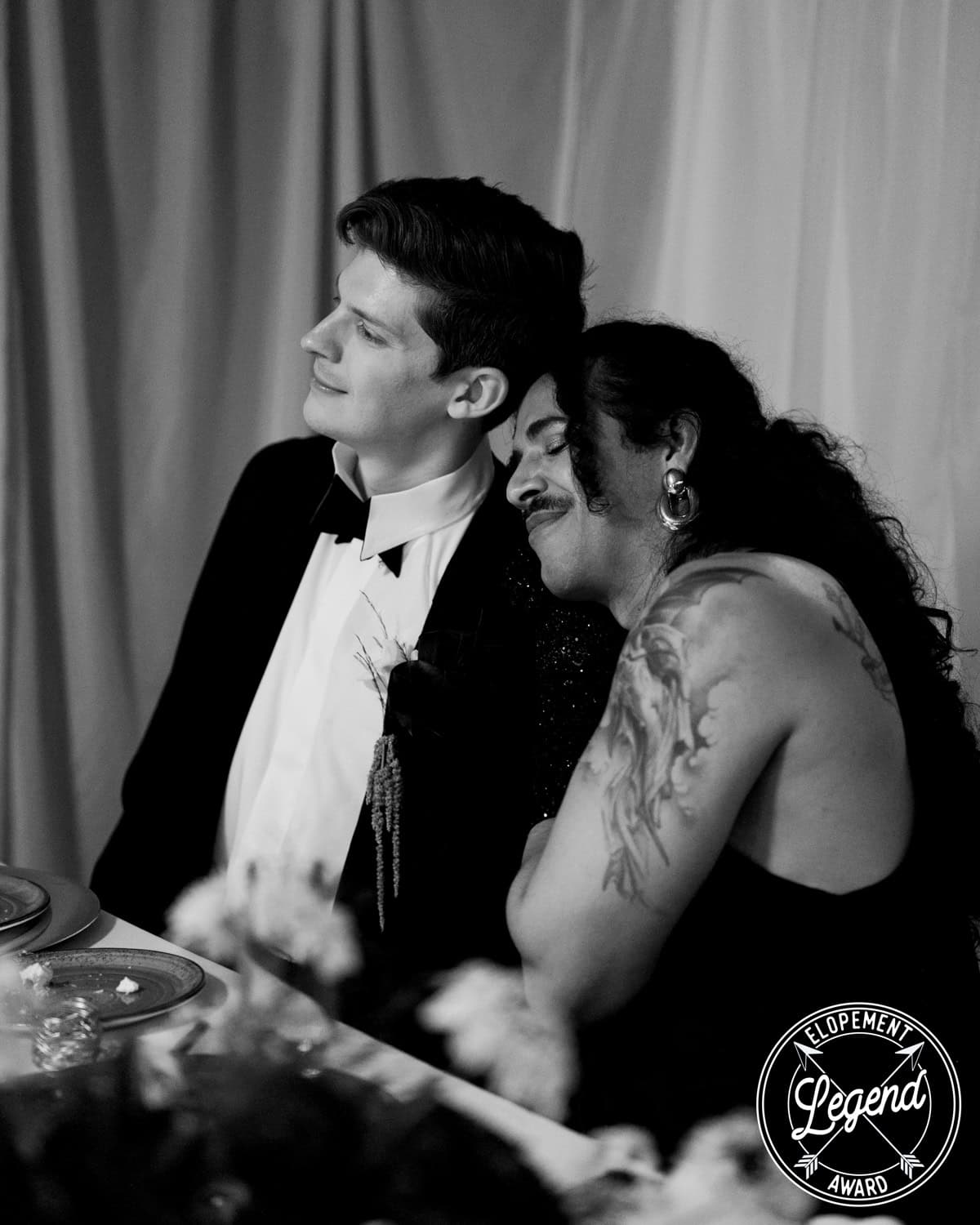
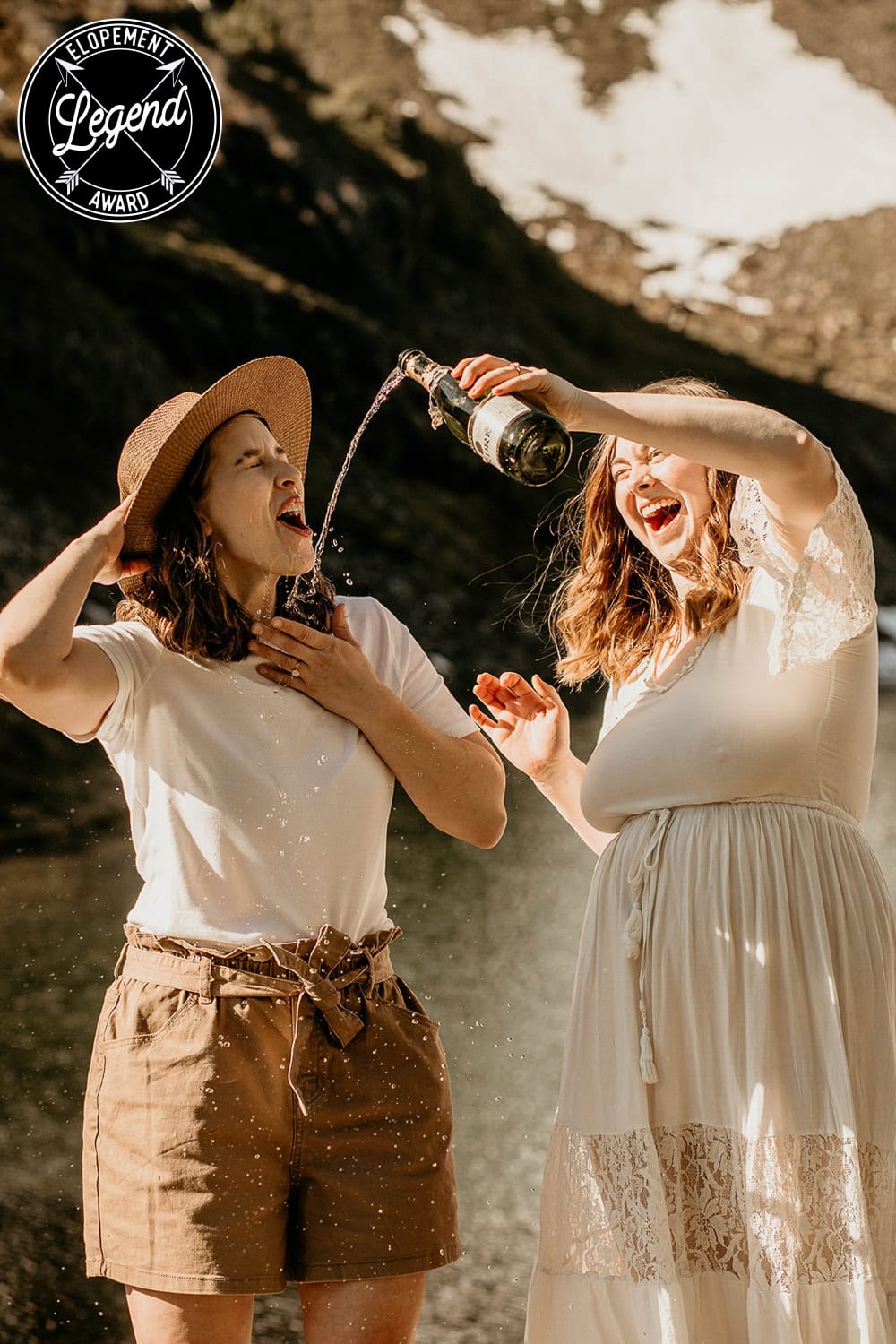
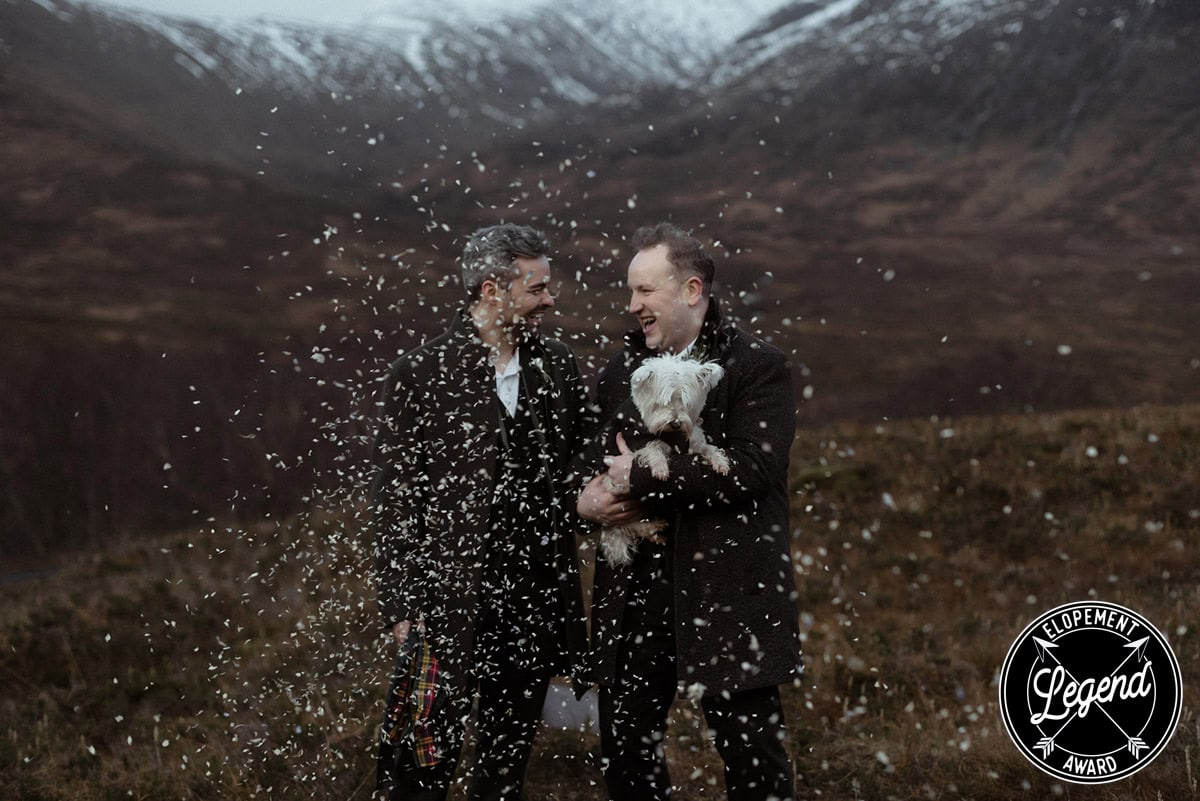
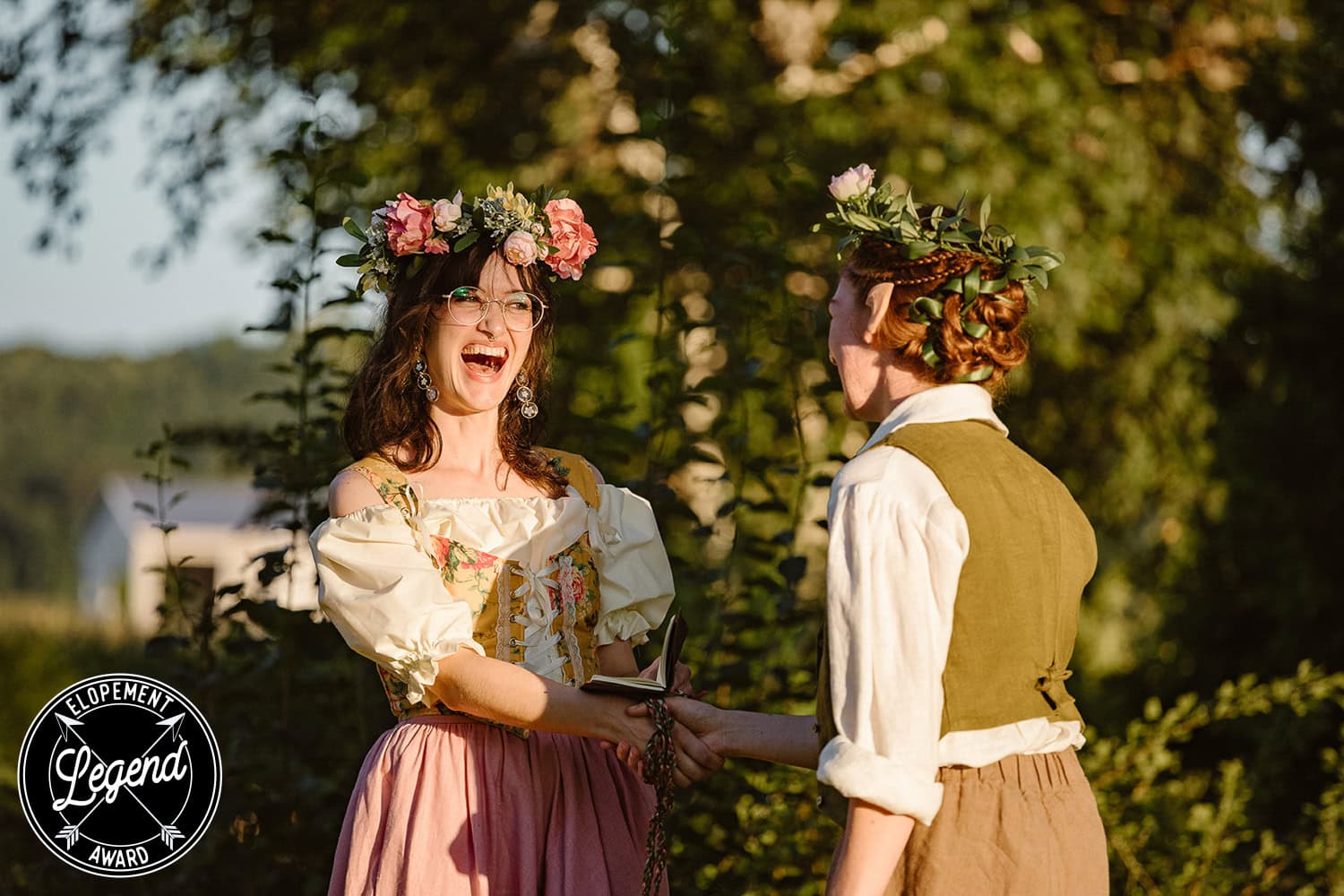
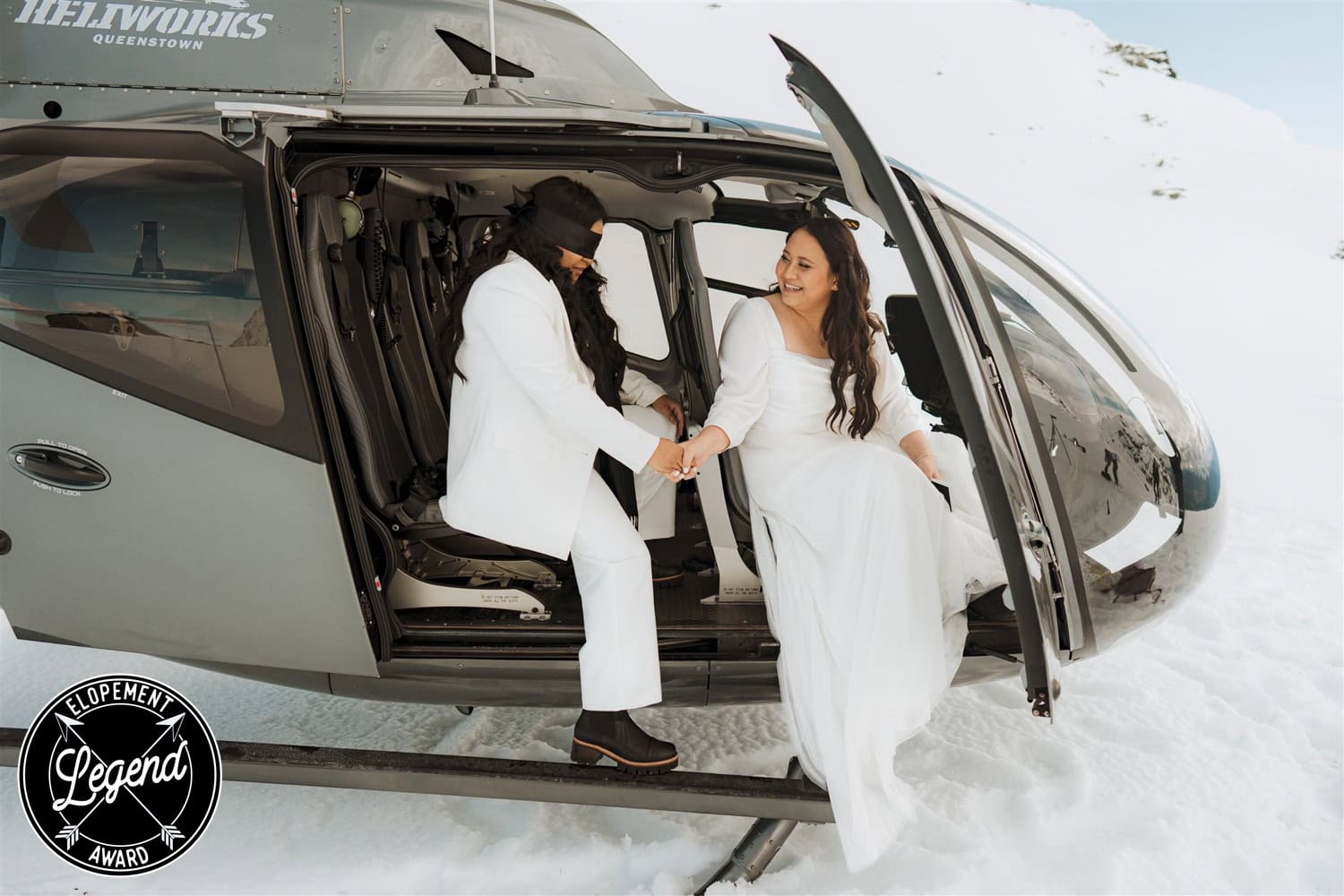
We’re very clear about the kinds of images we award: candid, authentic, expressive images that tell a story. We want to see laugh-out-loud bellows, moments when the dress caught on a branch and snagged, a beloved dog leaping toward a just-married couple, a teardrop falling from a beloved’s face, and all the unexpected moments in between. Photos should be well exposed, with strong composition, and cropped tightly.
I often say that to win a Legend Award is to shine a light on the work you’re already doing.
Great elopement photographers are already taking these images, and we want more people to see them.
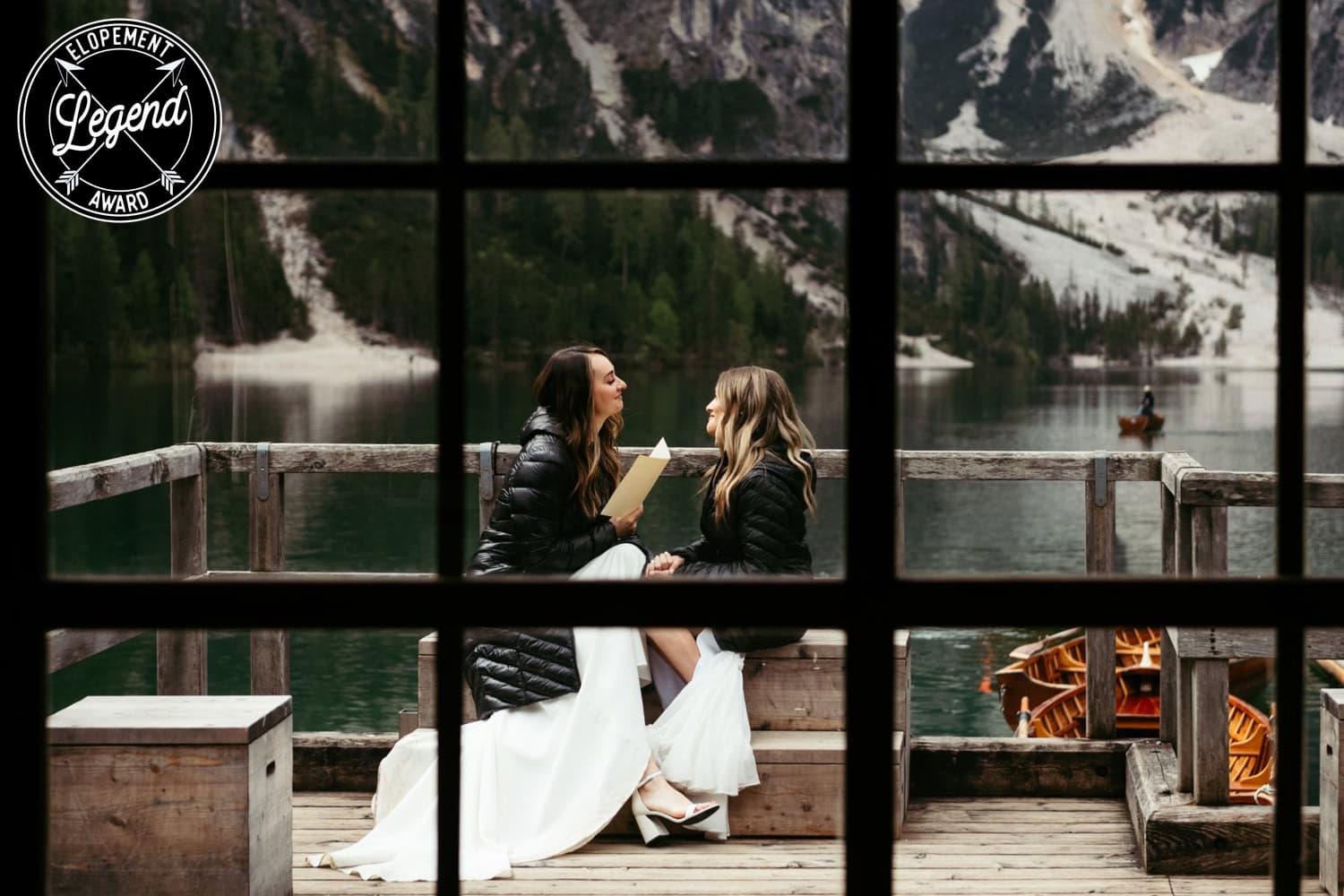
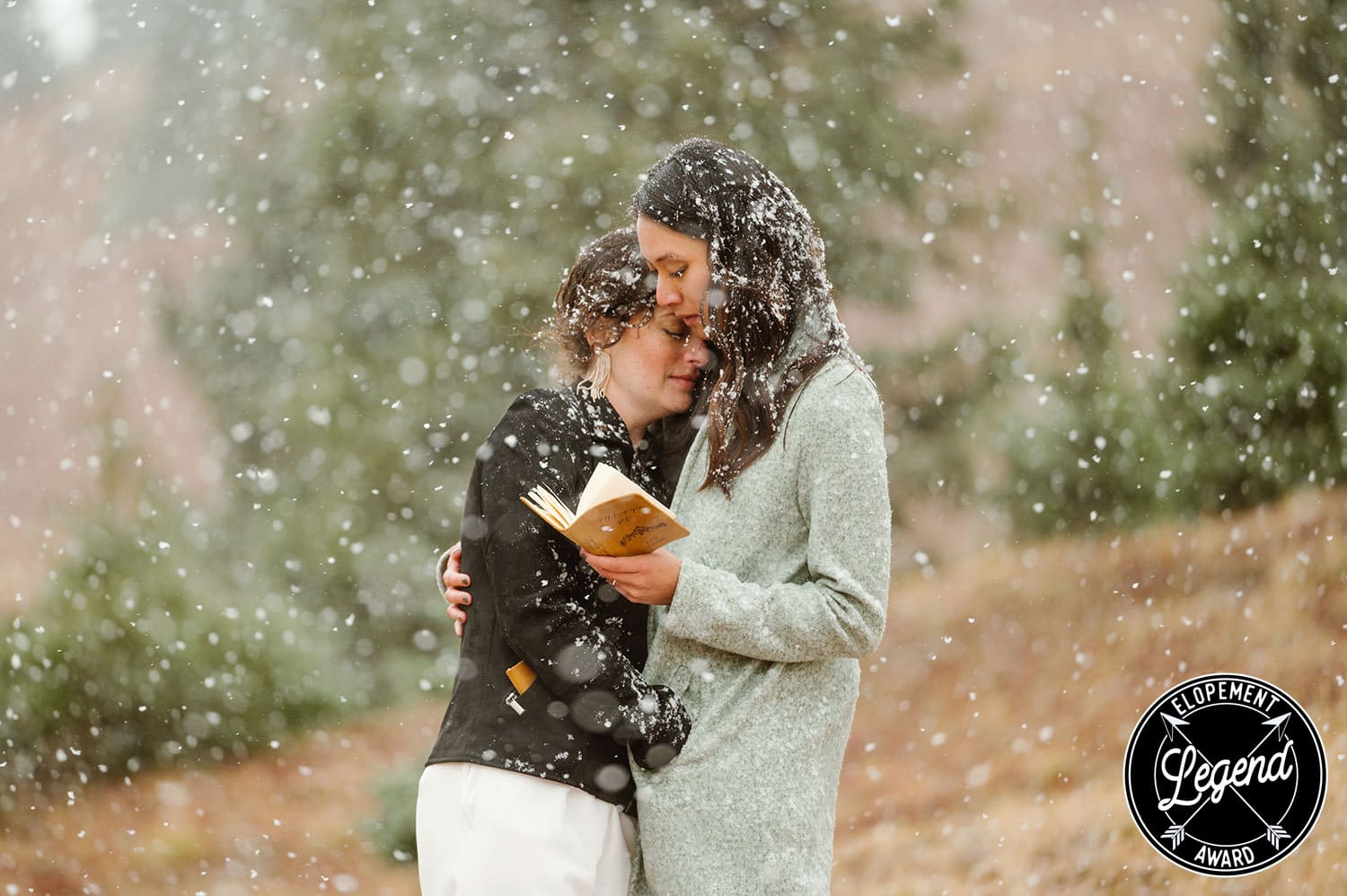
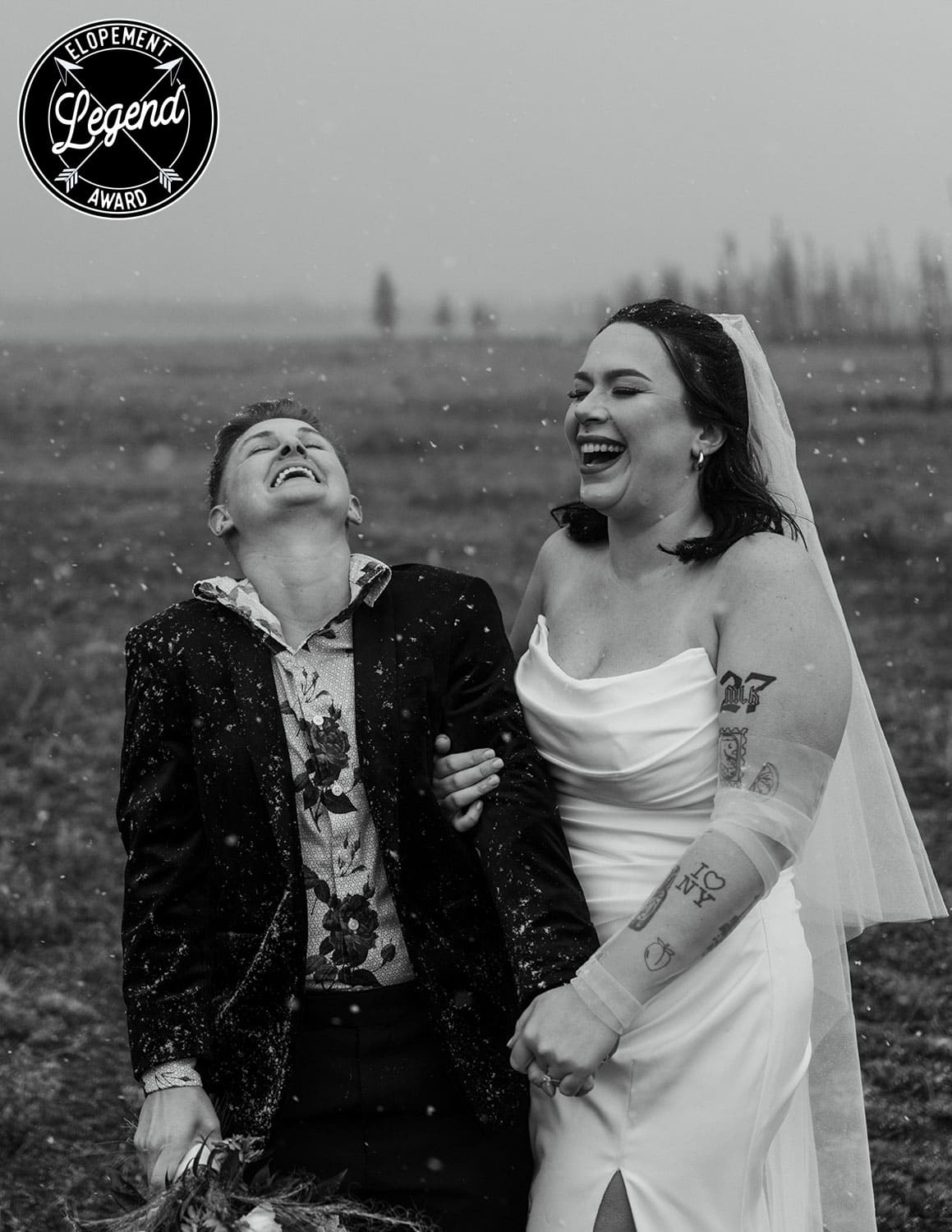
What’s actually happening in the images that win, and why do unpolished moments beat the mountaintop-perfect shots?
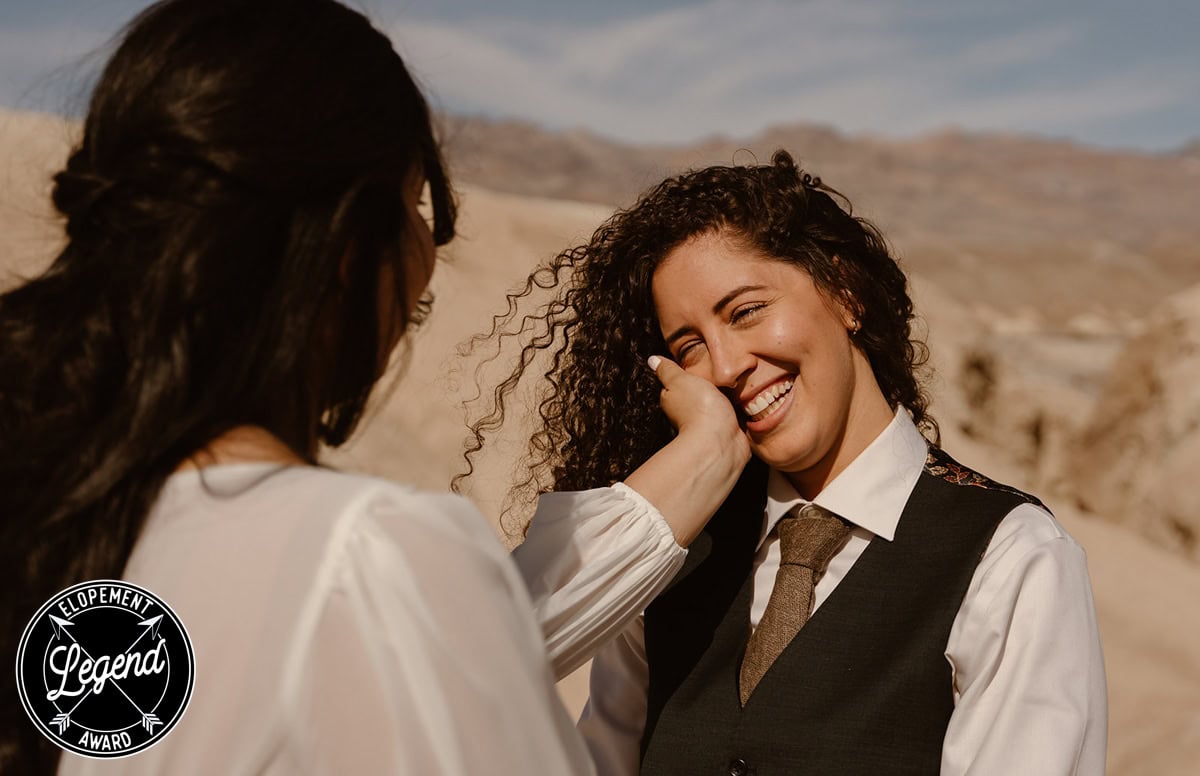
It’s so important to us to pull back the curtain on what elopements are really like. Most lovers who elope aren’t looking for polish or attention, but realness, honesty, and images that reflect who they really are. We wanted to show what it was really like to be there in that moment: how the wind nearly blew you off that cliff, how good it felt to cradle your partner’s face in your hands.
We prioritize the moments we haven’t seen before over the more expected shots.
People who elope aren’t often looking to be in a magazine, but they do want to be transported back to their elopement a thousand times over, so we prize photographers who demonstrate that skill.
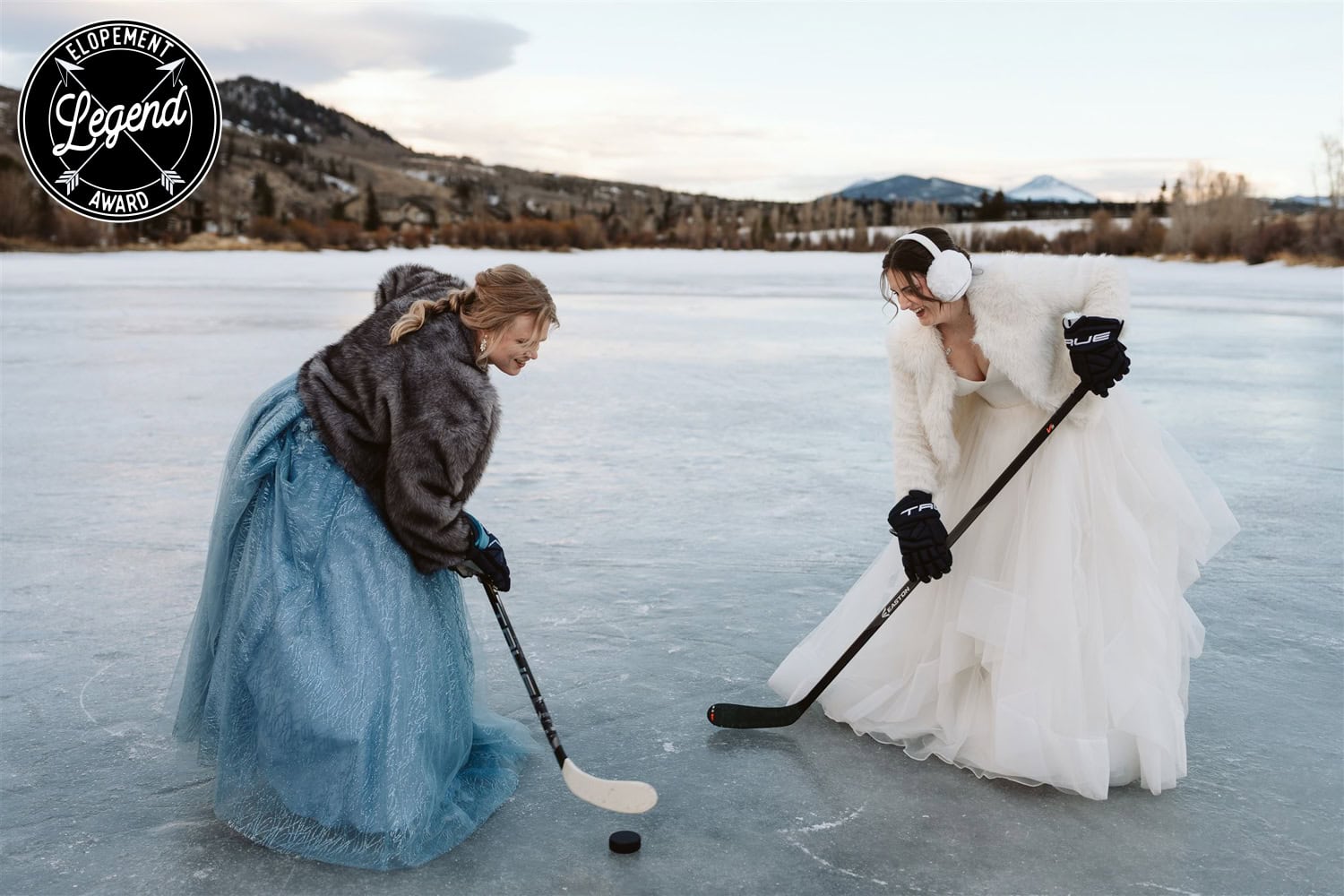
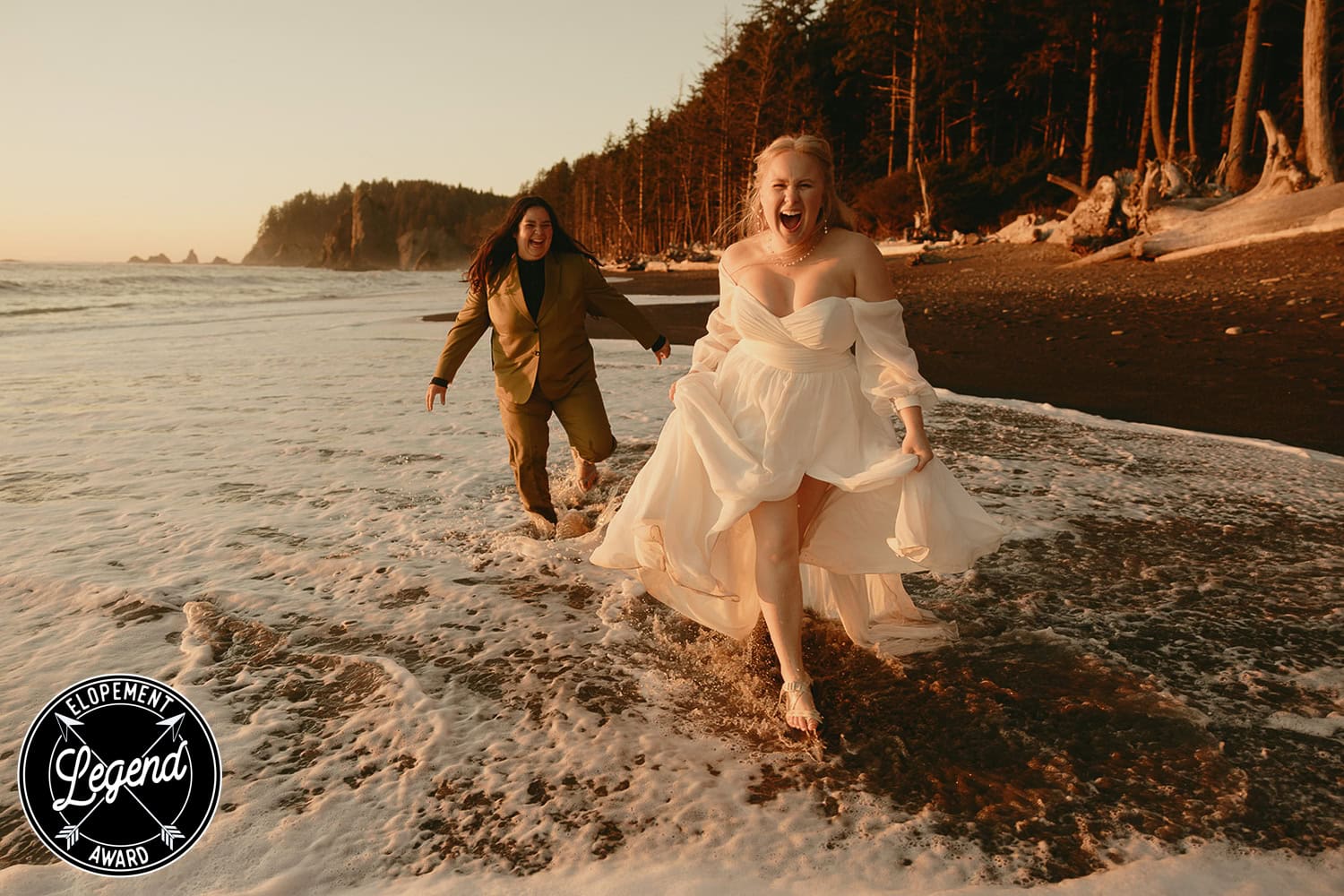
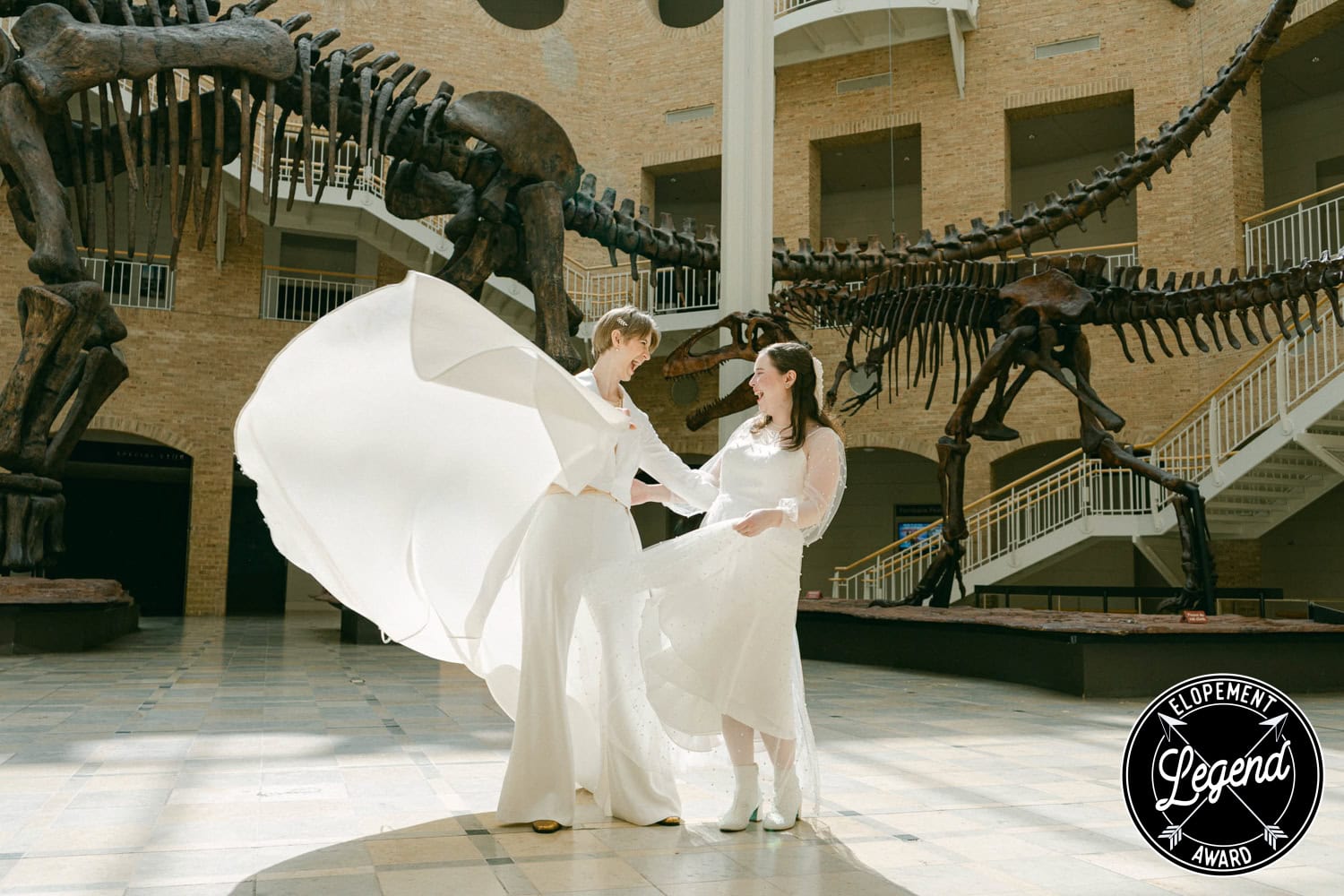
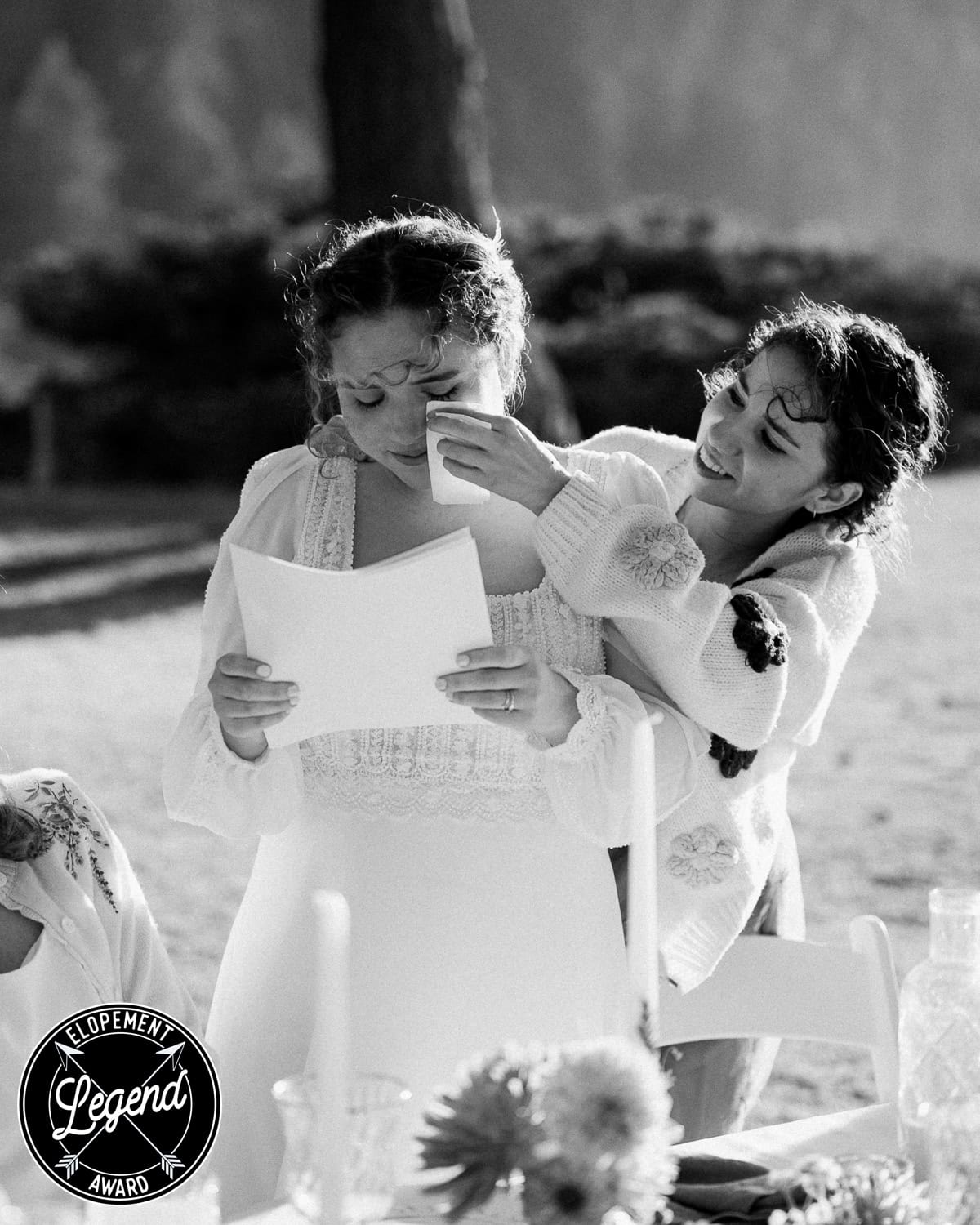
Show us two photos that show what winning really looks like
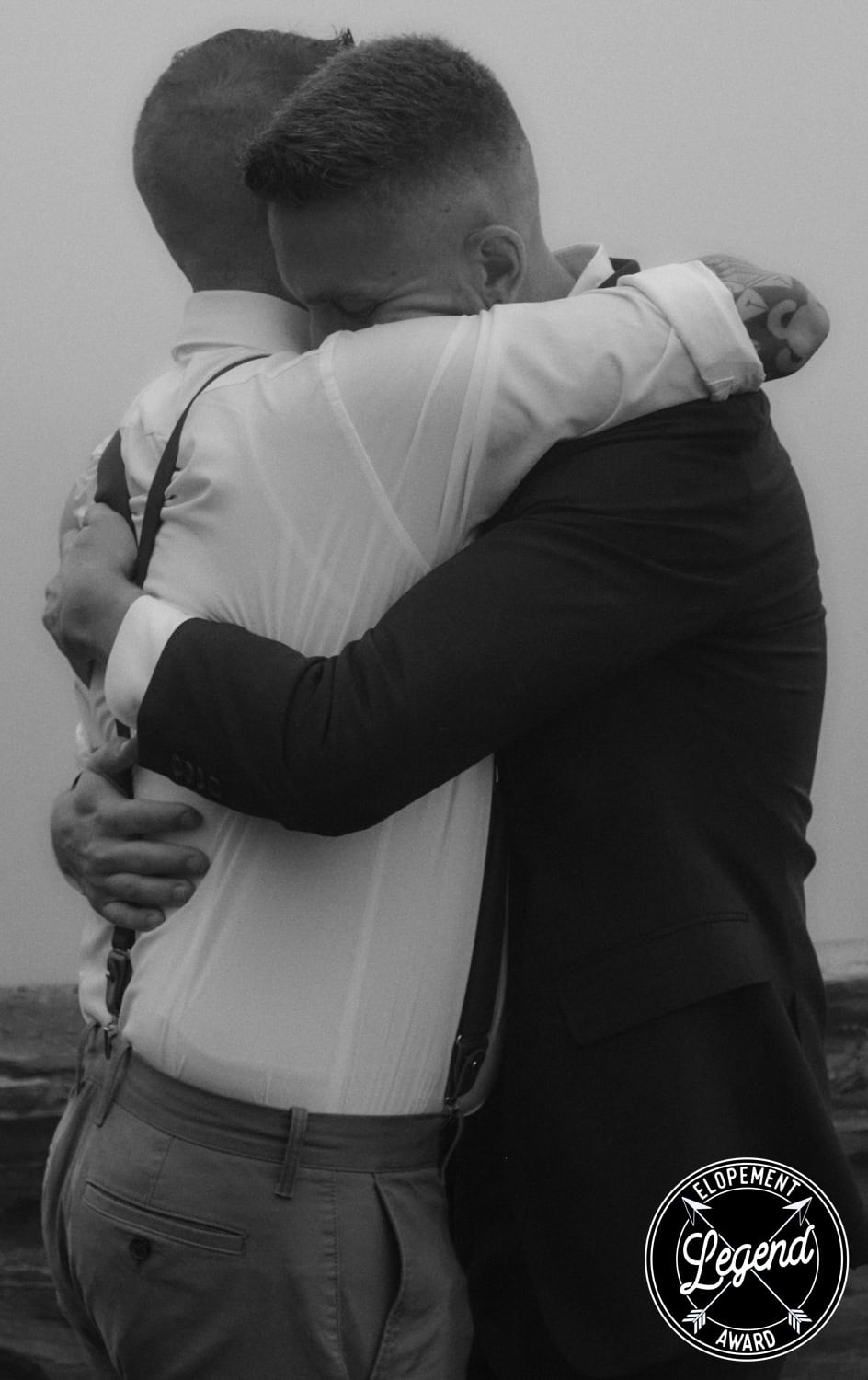
One of my favorites is a black and white hug between two grooms by Bryan Terschan. The intimacy of the photo, filling the frame with a squeeze that couldn’t be any tighter, is exactly the sort of image couples value and return to, year after year.
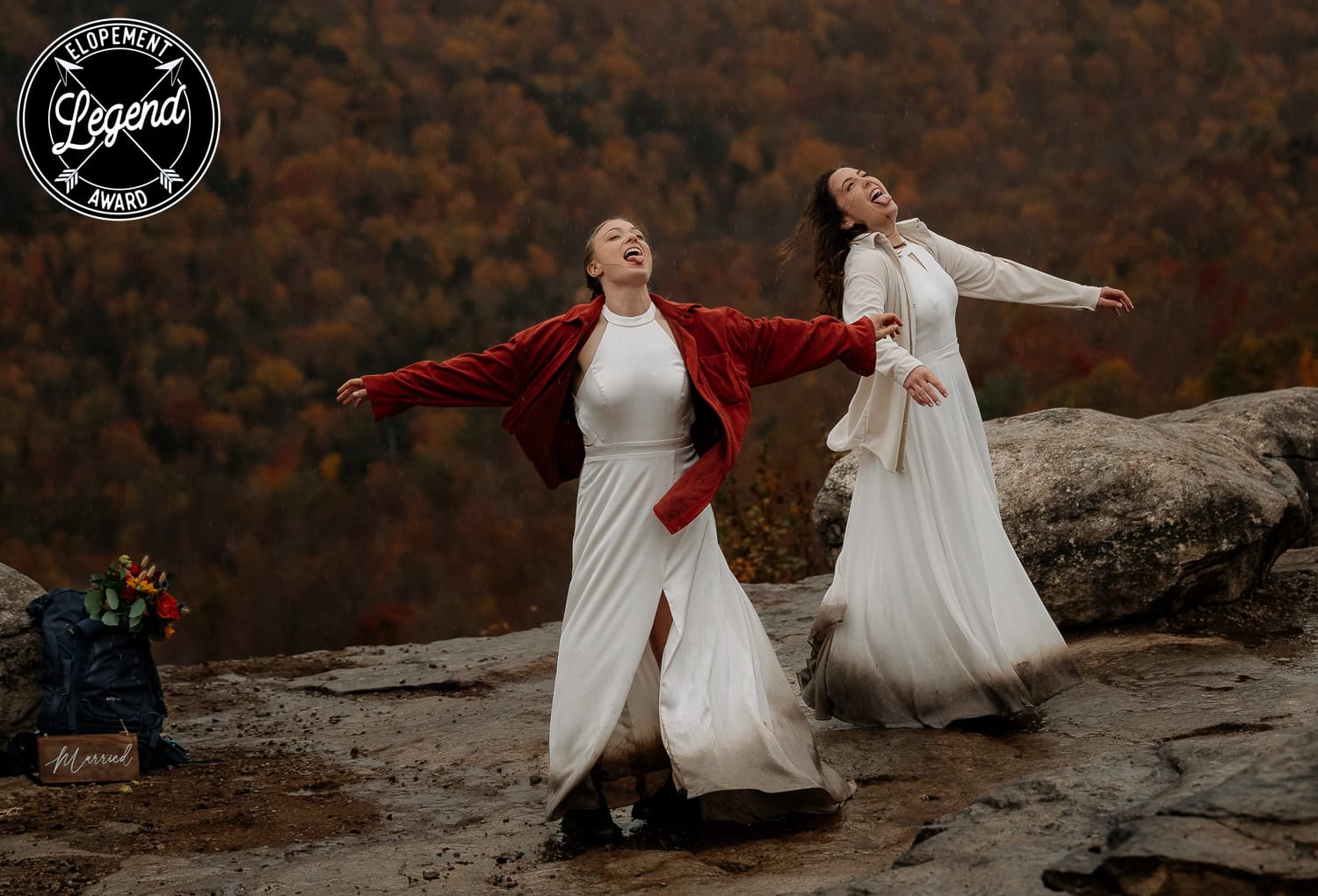
I’m also in love with a captivating image of two brides twirling and catching rain on their tongues. It’s carefree, spontaneous, and shows their personalities while being completely unposed. It’s magical. It makes me feel like I can feel the rain on my own skin.
What’s different about photographing gay, nonbinary, and genderqueer couples, and how do you find a photographer who gets it?
I think the very concept of posed wedding images creates a mold that not all couples fit into. Photographers who aren’t as familiar with photographing nonbinary, genderqueer, and gay couples may make gaffes, like posing the taller partner more masculine, when actually that partner prefers to be the little spoon. And, Photographers who are more experienced leave more room for queer folks to be themselves by asking questions about each partner’s preferences and desires, and know how to create an atmosphere where you can be comfortable being your gay and wonderful selves.
Photographers who show not only an inclusivity statement on their website, but actual queer couples eloping in their portfolio, will have that experience. That’s how you’ll know you’re in good hands.
What do LGBTQ+ couples need to know before they elope?
When a couple decides to elope, they can inadvertently fall into repeating traditions or activities that don’t feel right to them, simply because they think it’s expected. LGBTQ+ lovers who decide to elope should first wash their brains completely of all “wedding” expectations and start with a very blank slate. Build an elopement starting with your dream bucket list location and an expert photographer who can guide you through the process. Opt into the traditions and activities that feel right to you as a couple, and ditch absolutely everything else. Since there’s nobody nearby to impress, you don’t need to do anything that doesn’t feel right.
So throw off the reins. Have a pillow fight in your pajamas before getting ready. Relax with brandy in front of the fire, just you two and your dogs. There are no rules. When two unique people plan an elopement combining their own stories, the results are incredibly special. It’s an honor to be the one to capture them.
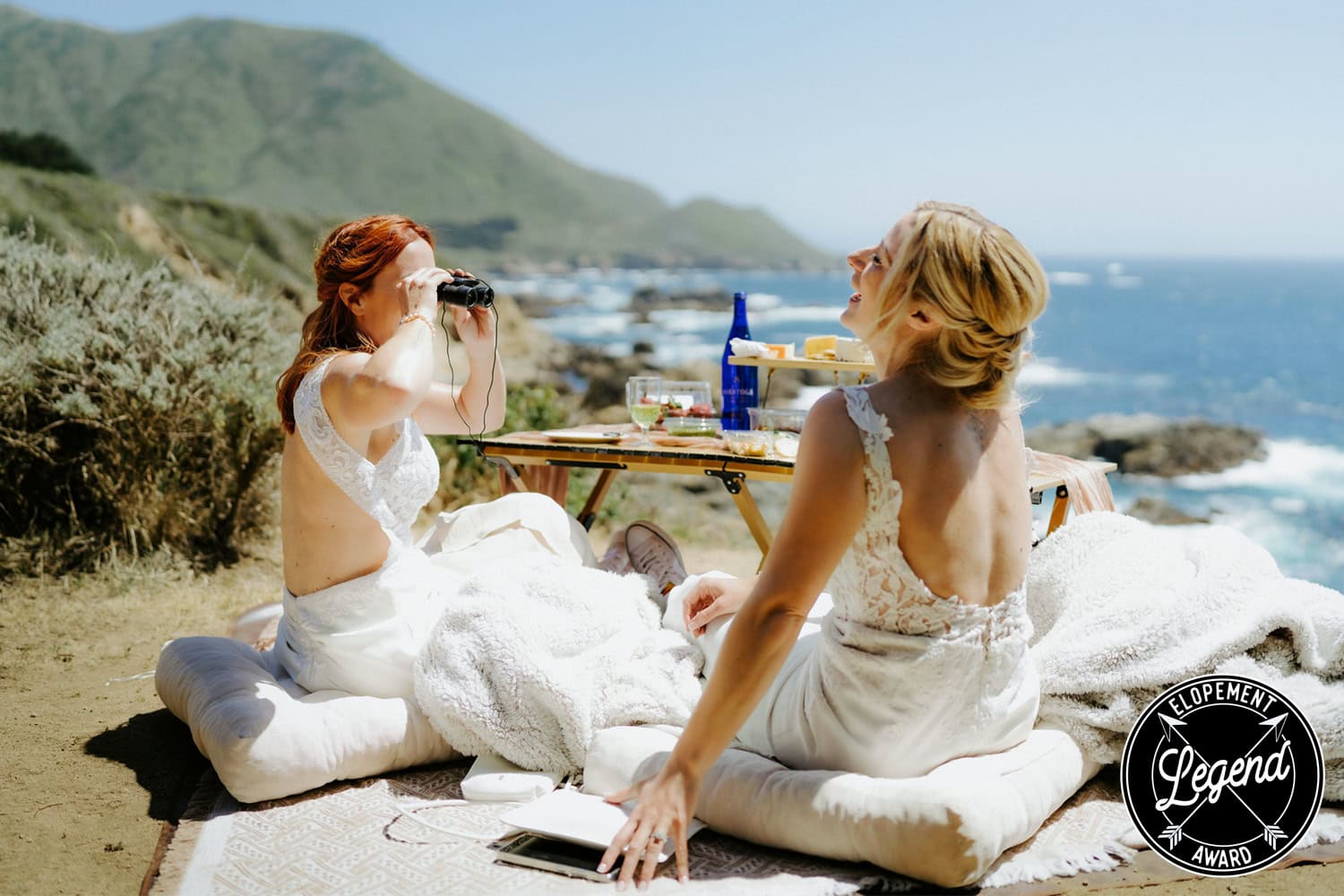
If you’re planning your own elopement, Lucy is exactly the person to have in your corner. Based in Waikato, New Zealand, and working with couples worldwide, she’s spent 16 years behind the camera, landed a spot in the world’s top 10 (Fearless Photographers, 2021) and now runs the Elopement Legends Awards. But the real drawcard is how personal her approach is: no cookie-cutter itineraries, just a day built entirely around your story, whether that’s recreating your first date over pizza or finding a hike that gets you back to the exact spot you said “I love you.” Every couple, every relationship style, every kind of love. You’ll find Lucy inside our online directory of inclusive wedding vendors.