How To Plan A Queer Wedding: An Inclusive, No-BS Guide For LGBTQ+ Lovers (That Any Couple Can Use)
Queer wedding planning should feel simple, affirming, and true to you. This guide brings together practical steps for LGBTQ+ couples planning weddings, elopements, or anything in between. You will find inclusive vendor advice, gender-neutral language tips, chosen family roles, accessibility musts, and legal pointers, all grounded in real celebrations from our community. Everything here is written for queer couples and works just as well for anyone who wants a values-led, welcoming day.
We cover the full journey from first ideas to final dance. You will set a clear vision, build a budget that reflects your priorities, map a realistic timeline, and choose an affirming team of vendors. You will see ceremony options that ditch gendered rules, ways to brief family and friends, and guest experience details like pronouns, signage, bathrooms, and photo consent. You will also find guidance on venue culture, safety considerations, and the paperwork pieces that can matter more for LGBTQ+ couples across borders.
Over the years, we’ve had the privilege of documenting thousands of real LGBTQ+ weddings, so this guide stays no-BS and useful. Use it straight through or jump to the section you need. Whether you identify as lesbian, bi, gay, trans, nonbinary, or none of the above, you will find clear, respectful advice to plan a celebration that feels like you. And if you are not LGBTQ+, welcome. Inclusive wedding planning makes every guest feel seen, which makes every wedding better.
Step One: Define Your Vision
Before you start emailing venues or browsing outfits, give yourselves space to dream together. The vision for your wedding is the compass that guides every decision. The clearer you are about how you want the day to feel, the easier every choice becomes.
Start with the big picture. Do you want a celebration that is intimate and slow-paced, or buzzing with energy from start to finish? Are you drawn to natural landscapes or bold city backdrops? A hundred guests, or just your chosen family?
Questions to ask each other
- What is the single most important thing we want people to remember about our wedding
- How do we want to feel during the ceremony and during the reception
- Which traditions, if any, matter to us and which ones can go
- Are there places, songs, or moments from our relationship we want to weave in
Ideas to spark your vision
- Whimsical and playful: Rainbow confetti, mismatched florals, laughter in every photo, and a playlist stacked with the songs you scream sing in the car.
- Cultural and rooted: Draw from your heritage with food, clothing, or rituals. Think a Scottish handfasting, Filipino cord and veil, or a Henna night.
- Low key and intentional: A backyard dinner party under festoon lights, handwritten vows, and your dog as ring bearer.
- Go big: A disco ball filled warehouse, drag royalty on the mic, and a champagne tower that gets the whole room cheering.
Queer specific nuance
You are not bound to the “this is how it is done” script. If something does not feel like you, skip it. If you want to invent a ritual no one has seen before, do it. Your identities, your love story, and your community give you endless ways to make the day authentic.
Inspiration you can actually use
- Browse our real weddings to see how other LGBTQ+ couples brought their vision to life, then save what resonates for your mood board.
- Prefer to start with stories beyond the wedding day. Our real love stories archive is full of proposals, engagements, and everyday moments that might spark an idea you had not considered.
- If you like planning tools, bookmark our wedding planning tools hub so your early ideas can flow into the practical bits later. Templates and checklists live there.
When your vision starts to feel clear, jot down three words that capture it. Keep those words at the top of your notes. Every decision from here can be sanity checked against them.

Step Two: Budget for What Matters
Every couple has to think about budgets – but queer couples often have extra layers that don’t get talked about in mainstream guides. For some, it’s the cost of travelling to a location where you’ll feel fully safe and celebrated. For others, it’s investing in an all-queer vendor team so you can relax knowing every interaction will be affirming.
Start with your values, not the spreadsheet.
Before you touch numbers, sit down together and talk about what’s truly important:
- Is it having every guest well-fed and dancing until sunrise?
- Capturing the day in photographs you’ll love forever?
- Being surrounded only by people who love and respect you?
Once you know your priorities, you can funnel your budget into what matters most and cut back where it doesn’t.
Queer-specific budget considerations:
- Vendor choice: Affirming vendors are worth their weight in gold, and often book out quickly. Build your budget around securing them early.
- Representation in styling: Pride-inspired details, a drag MC, hiring queer artists, they all tell your story and deserve budget space.
Legal & admin costs: If you’re updating documents, adding parental rights, or making name changes, factor those fees in. - Community impact: Some couples donate a percentage to LGBTQ+ orgs or prioritise queer-owned businesses even if they’re not the cheapest option.
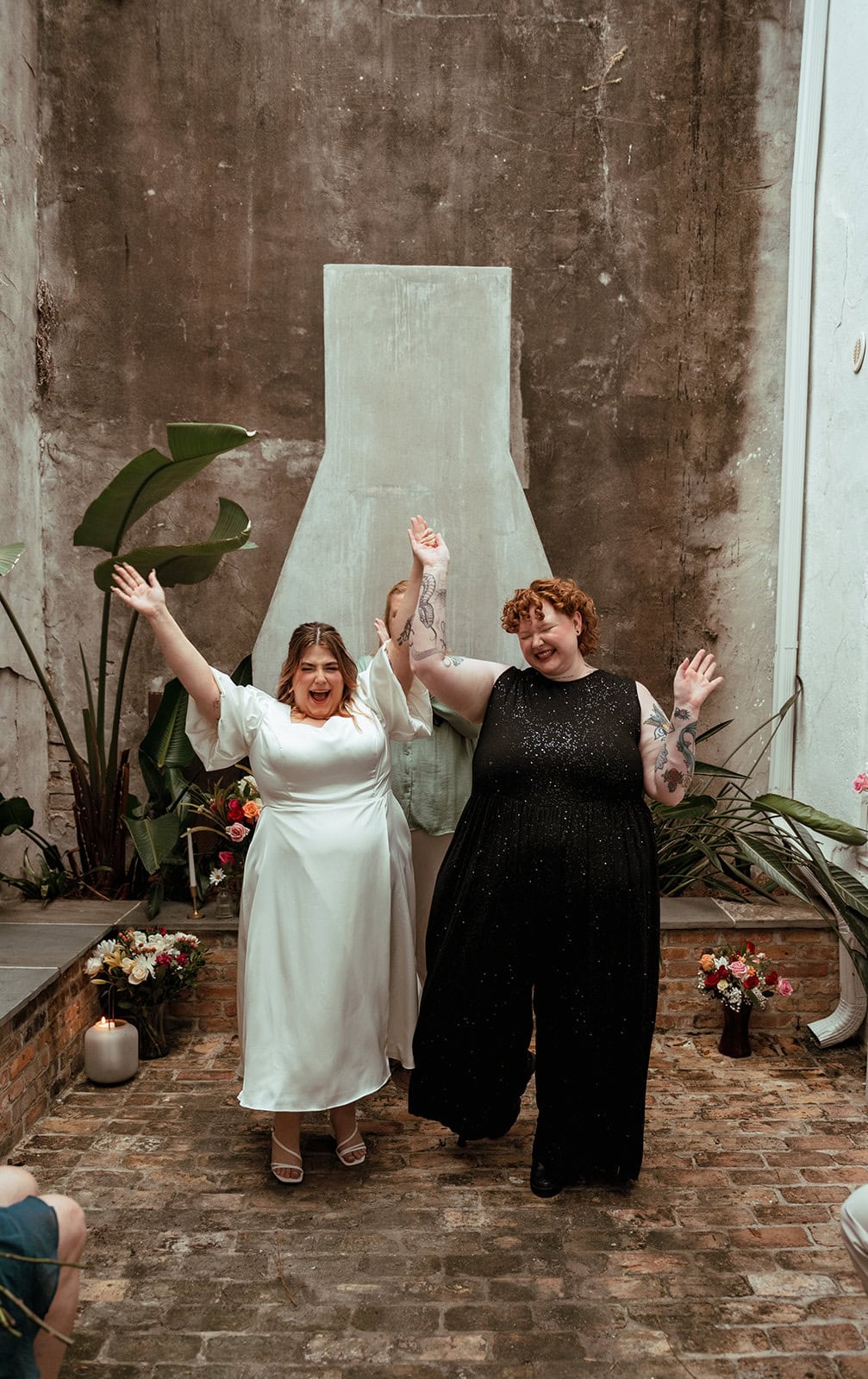
Real wedding inspo: When Sophia & Johana planned their snowy-to-sunset day, they prioritised a photographer they trusted and kept the reception simple with a laid-back mountain picnic – a perfect example of spending where it counts and saving where it doesn’t.
Step Three: Build Your Timeline
A planning timeline isn’t about sticking to a rigid checklist – it’s about creating breathing space so the process feels joyful instead of rushed. The core steps are the same for any wedding, but queer couples may want to build in extra time for things like finding affirming vendors, securing inclusive venues, or navigating specific legal requirements.
A values-led 12-month wedding planning timeline:
- 12 months out: Book your venue, celebrant/officiant, and photographer – these set your date and tone. Prioritise inclusive vendors you connect with personally.
- 9 months out: Lock in catering, florals, and outfits. Start planning any cultural or identity-based rituals so you can source the right elements.
- 6 months out: Send save-the-dates (pronouns welcome!) and start vow writing. Book entertainment that fits your vibe – queer DJ, string quartet, or a drag king performance.
- 3 months out: Finalise ceremony details, apply for your marriage licence, and meet with your officiant to ensure your script reflects your relationship.
- 1 month out: Confirm seating (no “bride/groom” sides), have final fittings, and make sure signage and programs use inclusive language.
- Week of: Rehearse, check in with vendors, and carve out downtime for each other – even 15 minutes of quiet helps you take it all in.
Short engagement?
Focus on three things first:
- Venue & date
- Legal requirements
- Outfits/vendors that book fast
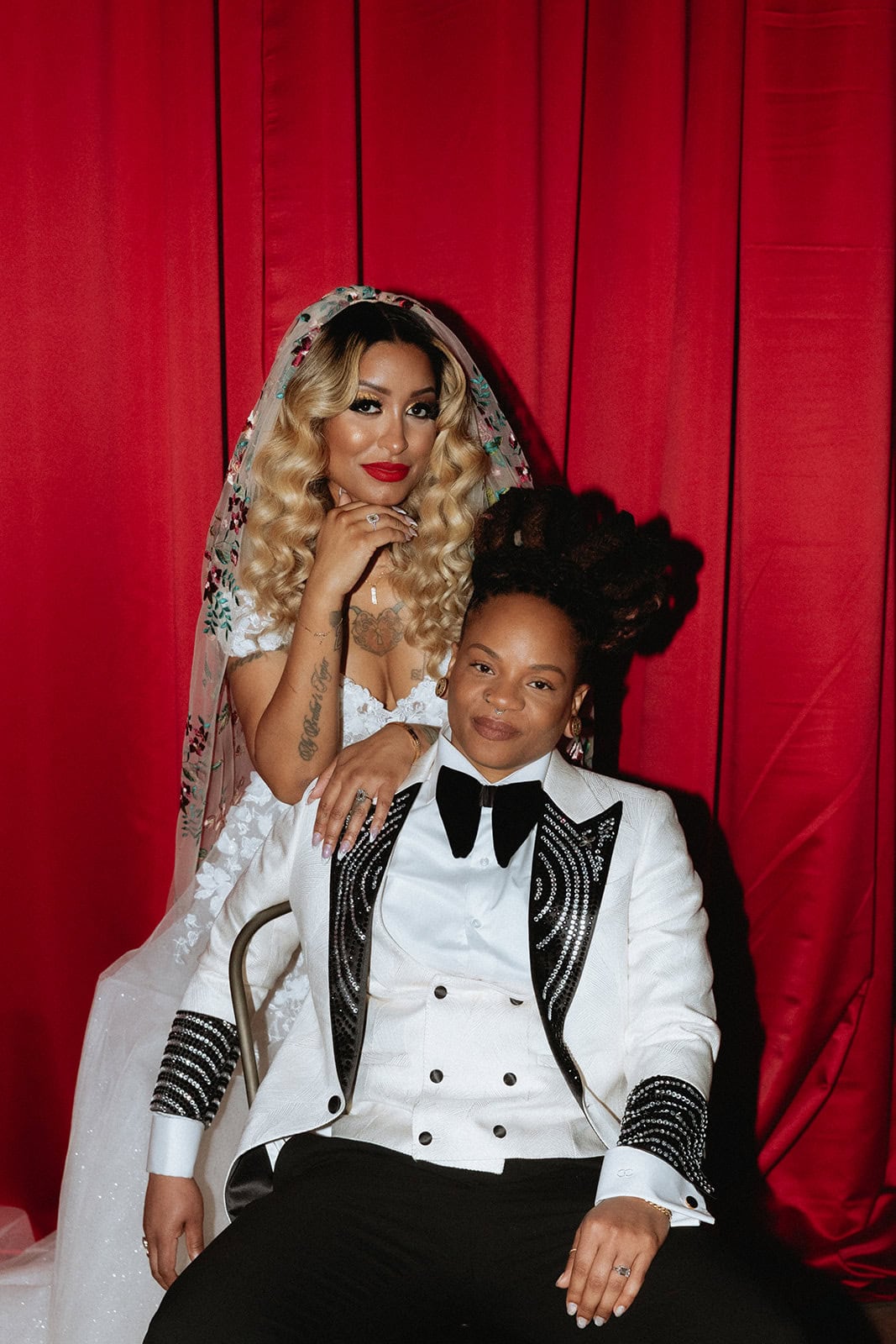
Real wedding inspo: Angelica & MK pulled off a courthouse elopement in a single week – proof that a short timeline can still be intentional, joyful, and completely you.
Considering making it legal first, then celebrating later? Our Courthouse Wedding Guide has tips for keeping the paperwork day meaningful and photo-worthy.
Step Four: Choose Traditions That Fit You
Traditions can be meaningful or they can feel like boxes to tick. Treat every element of your day as a choice. Keep what feels good, adapt what needs a tweak, and skip what does not fit. The planning process is the same as any wedding, you simply have more permission to make it yours.
Rethink the aisle
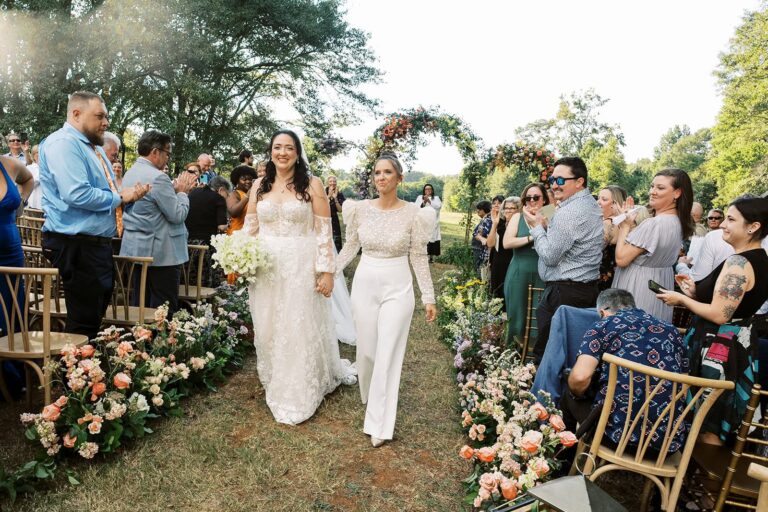
Walk in together, meet in the middle, or invite chosen family to accompany you. If a classic entrance feels right, decide who walks first and why that matters to you. For language and options that land, read our guide: How to walk down the wedding aisle as a same sex couple.
Write vows that reflect you
Personal vows center your story. Keep them private at a first look or share them during the ceremony. Aim for clear, honest, and specific. Print a keepsake copy so you are not reading from a phone.
See the whole ceremony on paper
A simple, inclusive script helps everyone know what is happening and why. Share the draft with your celebrant or officiant early so they can tailor the wording to your identities and relationship.
Blend culture, faith, and identity with care
Mix rituals from each of your backgrounds or create new ones that speak to your lives now. This might be a handfasting with colors that hold meaning, a tea ceremony with chosen family, or a joyful Henna night. Keep explanations short and clear so guests understand the moment.
Let symbolism be visible
Pride colored details, readings from queer writers, or a unity ritual that reflects what you are building together all set the tone. Choose one or two strong signals rather than trying to include everything.
Work with an affirming celebrant or officiant
The right person will shape a ceremony that sounds like you and handle the legal pieces with care. Share your pronouns, titles, and any words you want used in the script. Ask how they brief guests around phones, photos, and pronouns before things begin.
Quick prompts to decide what stays and what goes
- Which moments feel sacred to us, and why
- What would make us proud to watch on video in ten years
- What traditions do we love as they are, which ones do we want to adapt, and which ones can we skip without regret

Step Five: Book Inclusive Vendors
The people you hire shape your whole experience. Inclusivity is not a nice to have, it is a baseline. Begin with vendors who already celebrate LGBTQ+ couples, then build from there. Filter by category or location in our LGBTQ+ wedding vendor directory.
What affirming looks like
You should see inclusive language on websites and forms, pronouns collected without fuss, portfolios that show real LGBTQ+ couples, and contracts that avoid gendered defaults. Great teams also outline how they handle guest conduct, bathroom access, names, and pronouns so you are not doing that labor on the day.
Questions to ask vendors
Keep it simple and specific. You want clear answers, not theory.
- Can you share recent LGBTQ+ weddings you have worked on, and what you did to make them feel affirming?
- How do you ensure every step of your process, from inquiry to delivery, is gender-affirming?
- What adjustments can you make to better support us and our guests at this venue?
Email you can copy
Hi [Name], we love your work and are planning our wedding on [date] in [location]. We are a queer couple and inclusivity is important to us. Could you share examples of how you support LGBTQ+ couples and confirm your approach to pronouns and gender-neutral language across your process? Thank you, [Names and pronouns].
Red flags to notice
Bride-and-groom-only language, gendered packages or forms that force a role, a portfolio with no visible LGBTQ+ weddings, or defensive answers when you ask about pronouns and guest experience. If it feels like you have to educate them, they are not the right fit.
When you are ready, shortlist a few vendors in each category, meet them, and pay attention to how the conversation feels. When the team is right, you will know.
Step Six: Find the Right Venue
Your venue sets the tone for everything else. Capacity, accessibility, budget, ceremony flow, and how safe and celebrated you feel all live here. The core process is the same as any wedding; just add a few queer specific checks so the day feels fully affirming.
Start your search
Narrow by location, vibe, and capacity. Prioritize places that already welcome LGBTQ+ couples so you are not doing the educating. Filter options here: Venues.
What to look for
- Staff culture. Have they hosted LGBTQ+ weddings before. Do they train for inclusive service?
- Layout and flow. Ceremony and reception spaces, weather backup, and separate getting ready rooms if you want them.
- Accessibility. Step free routes, accessible restrooms, space for mobility aids, parking, and elevators where needed.
- Amenities. Lighting and power for entertainment, a quiet room for sensory breaks, and kid friendly zones if families are invited.
- Privacy. Consider the neighborhood and how the space feels for you and your guests.
Questions to ask on a tour
- How do you brief staff on pronouns, names, and guest conduct.
- Can we designate gender neutral bathrooms and update signage.
- Are there restrictions that affect our ceremony format, readings, or live performances.
- Can we bring our own inclusive vendors if needed.
- Is there a private space for touch ups, a first look, or a quiet moment together.
Paperwork to review
Look for contracts that use inclusive language, allow flexible ceremony formats, and do not assume gendered roles. Confirm setup and pack down times, noise limits, and vendor access so your team can work smoothly.
Make the most of a nontraditional space
Art galleries, gardens, community halls, restaurants, warehouses, and private homes can be magic. Think through sound, lighting, and guest flow, then bring in pros who know how to transform a blank canvas.
Step Seven: Create an Inclusive Guest Experience
A welcoming guest experience is universal. You want people to feel comfortable, informed, and part of the joy. For queer couples, a few extra touches set expectations, reduce awkwardness, and invite allyship.
Set the tone early
Use invitations and your website to share pronouns, non-gendered dress guidance, and a short inclusivity note so guests arrive prepared.
Pronouns, names, and language
- Collect pronouns on RSVPs and your guest list.
- Add them to place cards, lanyards, or a welcome board if it suits your crowd.
- Brief your MC, celebrant, and vendors to default to gender-neutral language and honor specific requests.
Bathrooms and facilities
Label bathrooms as gender neutral where possible, or add signage inviting guests to use the restroom that best fits their gender. Ensure there is an accessible restroom close to the main space.
Accessibility for all bodies and brains
- Step-free routes, reserved seating, and clear sight lines for interpreters.
- Sensory supports like a quiet room, lower-volume zones, or a chill-out lounge.
- Share any strobe effects or loud moments in advance and offer alternatives.
Seating and social flow
Skip “bride side” and “groom side.” Mix seating to encourage connection, and create conversation zones for guests who prefer to chat rather than dance. A receiving line or table visits can work well for smaller guest lists.
Food and drink
Make dietary needs clear on the RSVP, then label items on the day. Include alcohol-free options that feel special, and keep water stations easy to find.
Signage and programs
A short welcome statement sets expectations and invites care.
Example: “Our wedding is a celebration of LGBTQ+ love. Thank you for using names and pronouns with care and for helping us create a joyful, respectful space for everyone.”
Programs can note inclusive bathroom access and briefly explain any cultural rituals.
Kids and family
If children are invited, add a play corner or quiet activity table. If some relatives are still learning, send a gentle pre-event email with your pronouns, ceremony format, and any boundaries so guests arrive ready to celebrate.
Photography and consent
Tell guests if the ceremony is unplugged or if you prefer limited phones. If anyone cannot be photographed, brief your photographer and use a discreet sticker or wristband system to signal preferences.
Want help pulling this together on the day. Bring in a planner who already works this way: Planners and stylists.

Step Eight: Navigate Family Dynamics
Every couple manages expectations, feelings, and logistics with family. Queer couples can face extra layers, but the goal is the same as any wedding: protect your joy and make space for the people who love you well.
Set clear boundaries early
Share what is nonnegotiable for you, like pronouns, ceremony format, outfits, and photography preferences. If some relatives are learning, send a kind pre-event note that covers pronouns, gender-neutral language, and what to expect during the ceremony. If a situation feels unsafe or disrespectful, it is valid to reduce involvement or invite chosen family to fill key roles.
Give chosen family real roles
Ask trusted friends to officiate, MC, or give readings. It signals support, reduces stress, and keeps your ceremony grounded in people who see you clearly. You can also invite a friend to be the point person for questions so you are not managing logistics on the day.
Language that fits
If “bride” or “groom” does not fit, choose words that do and share them with vendors and family so everyone feels confident using them. For practical options and phrasing, see our guide on terms to use when bride or groom do not feel right.
Conversation starters you can copy
- We are excited to celebrate with you. Here are our pronouns and the language we use for our roles. Please use these on the day.
- Our ceremony is gender neutral and we are keeping it intimate. Thank you for supporting our choices and helping guests feel welcome.
- We are inviting you because you love us and help us feel like ourselves. If any part of the plan feels unfamiliar, ask us and we will share the why.
If it gets hard
Not all families can meet you where you are. Build the day around community that can. Keep boundaries firm, give meaningful roles to chosen family, and plan for your own comfort with quiet moments, an exit plan if needed, and a trusted person to run interference.
Your wedding should feel like you from start to finish.
Step Nine: Sort the Legal Bits
The legal part is straightforward on paper and layered in real life. You apply for a license, sign with an authorized officiant, and receive your certificate. What makes it feel easy is having someone on your team who knows the local rules, uses inclusive language, and files everything correctly. Start with your celebrant or officiant. A good one will map out requirements, witness rules, waiting periods, and exactly how your documents need to be completed. If you are still looking, begin here: Everything you need to know about a wedding celebrant/officiant.
If timing is tight or recognition across borders matters, you can separate the paperwork from the party. Many couples make it legal at the courthouse first, then hold a ceremony that feels like them later. After the signing, decide how you want to handle names. Some couples keep their own, some hyphenate, some create something new. Order certified copies and use them to update identification, banking, insurance, and records. Your clerk or celebrant can confirm processing times and how many copies to request.
If you live or work in different countries, ask what recognition looks like at home. You may need an apostille or an additional certificate for international use. If parenthood is on the horizon, look into protections that matter even when you are married, like second parent adoption, donor agreements, and how names appear on birth certificates.
Keep it practical. Ask your celebrant/officiant about:
- License timing and waiting periods
- Witness requirements and who qualifies
- How many certified copies to order
- Whether you will need an apostille for overseas use
Put dates, offices, fees, and who is handling each task in one shared note. Legal things feel big until they are written down and on the calendar.
Step Ten: Make It Yours
This is where the paperwork fades and your story takes the lead. You do not need to reinvent everything to make it personal. A few moments held with intention will do more than a hundred tiny details.
Start with the words
Vows set the tone. Keep them private at a first look or share them during the ceremony. Aim for clear, specific, and honest. If you want a simple starting point, use this guide: How to write your wedding vows.
Shape the ceremony around who you are
Ask your celebrant or officiant to use language that reflects how you name yourselves and your relationship. If bride or groom does not fit, choose the words that do and share them early with your team and families. A working script helps everyone picture the flow. Mark up what resonates, cut what does not, and add one or two lines that sound like you.
Let culture and community sit with you at the center
You can hold tradition and queerness in the same hands. Blend rituals from your backgrounds or create new ones that feel true now. It might be a handfasting with colors that mean something to you, blessings beneath a chuppah, tea shared with elders, or a joyful Haldi led by friends.
Small rituals that might feel right
- Ring warming that passes through your guests’ hands
- A shared reading or poem that feels like home
- A unity moment that reflects what you are building together
- A last dance that belongs only to you before the doors open
Keep it practical
Collect your readings, script, and music in one place so your team can bring it to life without you holding the clipboard. Print your vows. Do a quick microphone check. Build a few minutes of quiet into the run sheet. Give one trusted person the role of timekeeper so you can be present.
Two or three well held moments are enough. If they feel like the two of you, you have done it right.

Step Eleven: Celebrate Out Loud
Celebration is not just the party; it is the feeling that carries you through the day. Think of it as an arc. A quiet breath before you see each other, the swell of your ceremony, the first hug from someone who has loved you since before you met, the laughter that keeps rolling long after dessert. When you design the rhythm with care, the joy takes care of itself.
Set the rhythm
Decide where you want stillness and where you want noise. If you are doing a first look, give yourselves fifteen uninterrupted minutes with no phones and no extras. Build a cushion between ceremony and reception so you can move slowly, drink water, and notice the small moments you will remember later. Put those pauses on the run sheet so your team protects them. If you like a shared place to keep everyone aligned, park your timetable and notes here: Wedding Planning Tools Hub.
Invite your community in
Music sets the temperature of a room. Curate a short list of non negotiable songs, then trust your DJ or band to read the crowd. You can spark the room with drag, spoken word, or a string trio that turns into a dance set without losing yourselves in it. If speeches matter, cap them at two minutes, invite stories over resumes, and ask one friend to keep the mic moving so the room stays warm. Celebration does not have to look like a ballroom. It can be a weekend campout, a long lunch that finishes at sunset, or a rooftop party that feels like your favorite night out.
Design for comfort and consent
Tell guests what kind of night they are walking into. Add pronouns to place cards if that fits your crowd, make bathrooms clearly welcoming, and give your MC a short script about phones and photos so no one has to guess. Choose a photographer who can work a packed, joy loud dance floor and a videographer who can capture sound and the small looks you might miss in the moment.
Close with intention. Pick a last moment that belongs only to you, whether that is a final song with everyone circled around you or a private last dance while guests head to the after party. Take thirty seconds together at the door before you leave. Look at the room you built. That is the celebration. If you want to share it forward and help the next couple feel seen, send your story in. Submissions are open globally.