WorldPride Amsterdam 2026: The Complete Guide for Queer Women and Non-Binary Travelers
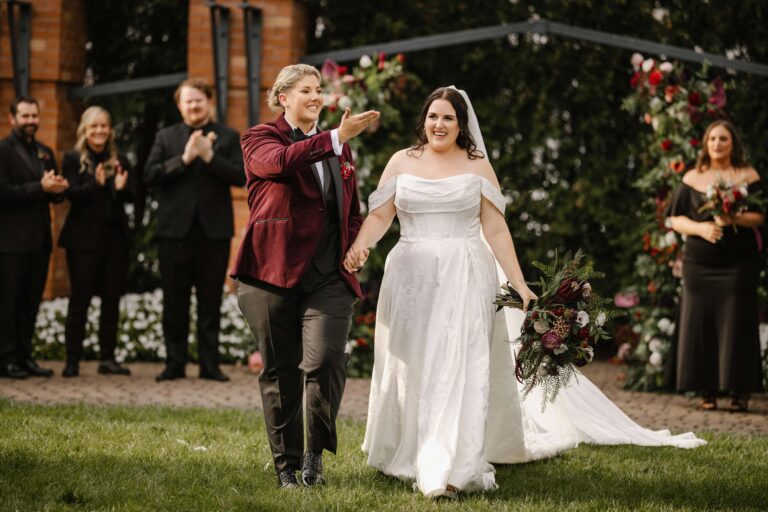
On April 1, 2001, Amsterdam made history. Not quietly, not cautiously – the way Amsterdam tends to do things – but with a full ceremony at the city hall, a crowd outside in the cold, and four same-sex couples who had been waiting for that exact moment for years. The Netherlands became the first country in the world to legalise same-sex marriage, and the city that made it happen became, for many of us, a kind of spiritual address. A place that said: yes. You belong here. Your love is legal here. This is yours.
In 2026, Amsterdam is hosting WorldPride for the first time – a 15-day global event running July 25 to August 8 – and it is doing so to mark exactly 25 years since that first yes. If you have ever felt the particular weight of being in a city that actively chose your right to exist, you already understand why this event is different from every other Pride on the calendar.
This guide is for queer women and non-binary travelers who are either already planning to go, or who are sitting on the fence. It covers the events that matter specifically to you, the neighborhoods worth staying in, the booking reality you need to hear, and everything in between. Because there is a lot of information out there about WorldPride 2026 – but very little of it is written for us.
This isn’t just the world’s biggest Pride event in 2026. It’s a 25-year anniversary, a political statement, and a genuinely extraordinary place to be. Here’s how to do it properly.
Why WorldPride 2026 Is Different – And Why You Should Actually Go
25 Years of Marriage Equality: What That Means for the Vibe
Most Pride events are celebratory. WorldPride Amsterdam 2026 is celebratory and deeply intentional. The event’s theme is Unity – chosen specifically because equal rights, marriage included, are under serious pressure in multiple countries right now, including across parts of the United States. The organizers aren’t trying to throw the world’s biggest party while ignoring the political moment. They’re doing both: celebrating how far we’ve come and making a visible, global argument for how far we still need to go.
What that means in practice is an event with unusual emotional depth. There will be parties, obviously. But there will also be conferences, advocacy programming, dedicated community zones for trans people, non-binary people, bi+ people, seniors, young people, and – critically for our community – Women & Pride. This is not a general LGBTQ+ event that happens to include women as an afterthought. It is a deliberately intersectional gathering that has built specific spaces for every part of our community.
The 25th anniversary framing also means the city of Amsterdam will be fully engaged. The Rijksmuseum is expected to host queer history programming. Local neighborhoods will be involved throughout the two weeks. This is a city-wide event in a way that most Pride events, even large ones, simply are not.
Is Amsterdam Actually Safe for Queer Women and Non-Binary Travelers?
Yes – and more specifically than that: Amsterdam is one of the safest cities in the world for queer travelers. The Netherlands has some of the strongest legal protections for LGBTQ+ people anywhere, and Amsterdam’s queer culture is not performative. It is embedded. The Reguliersdwarsstraat (the main queer street in the city center) isn’t a designated zone that feels like an enclave – it flows into the rest of the city naturally.
For trans and non-binary travelers specifically: the Netherlands has progressive gender recognition laws, and the trans community is well-represented within Amsterdam’s queer infrastructure. WorldPride 2026 has dedicated Trans Pride programming, which we’ll cover below.
That said, no city is without nuance. Like any major European city, Amsterdam has areas that are safer at night than others, and street harassment, while less common than in many comparable cities, is not absent. We’ll share the neighborhood guide below with that in mind.
Heads up: During WorldPride fortnight, the city will be busier than almost any other time of year. For queer travelers, that density is generally a safety asset – you are surrounded by your community. But do plan your routes at night, particularly if you’re traveling solo.
Essential Dates and Events: What’s On July 25 – August 8
WorldPride Amsterdam 2026 runs for 15 days across the full city, with a rotating programme of events happening simultaneously. Here are the anchors you need to know about.
The Women & Pride Zone: What to Expect
One of the things that makes WorldPride specifically compelling for queer women is the dedicated Women & Pride programming. This is a designated community zone within the broader WorldPride framework – which means it’s not a separate fringe event, it’s a built-in part of the main programme. Historically, Women & Pride zones at WorldPride events have included panels, performances, social events, and networking spaces designed specifically for queer women and non-binary people who don’t always find themselves at the center of mainstream Pride programming.
The full Women & Pride schedule for Amsterdam 2026 is being released closer to the event, but the zone itself is confirmed. If you’re someone who has been to large Pride events and left feeling like they weren’t quite built for you – this is the answer to that.
Trans Pride: A Dedicated Community Space
WorldPride Amsterdam 2026 also has a dedicated Trans Pride zone – one of the explicitly confirmed community spaces alongside Women & Pride, Bi+ Pride, Senior Pride, Youth Pride, and Student Pride. This structural inclusion matters. It means trans and non-binary travelers aren’t navigating a general queer event and hoping to find their people; there is a specific, intentional space for them within the programme.
This is relevant whether you identify as trans, are a trans ally, or are a queer woman whose community overlaps significantly with trans and non-binary spaces – which, for most of us, it does.
The Canal Pride Parade: Still the Main Event
The famous Amsterdam Canal Parade – boats travelling the canals through the city center, carrying organizations, brands, community groups, and individuals – will be the headline event of WorldPride 2026. The exact date within the fortnight hasn’t been announced as a standalone date yet, but historically it falls in early August, and in 2026 it will mark the 25th anniversary of the first legal same-sex marriages. Expect it to be enormous.
For context: Amsterdam’s regular annual Pride Canal Parade typically draws around 400,000 spectators. WorldPride will bring global attendance. Book your viewing spot early – and by early, we mean now. Waterside bars and venues along the canal route sell out weeks in advance.
Opening Ceremony, Closing Concert, and Between-the-Lines Gems
The Opening Ceremony on July 25 will set the tone: celebratory, political, and genuinely moving in the way Amsterdam tends to manage that combination. The Closing Concert on August 8 will be the send-off. Between those two anchors, the programme includes an open-air film festival, exhibitions, pop-ups across neighbourhoods, and countless smaller events that often end up being the most memorable parts of a trip like this.
A specific note worth making: the World Pride Music Festival (a two-day dance event running July 31–August 1 at AFAS Live) is already nearly sold out. If that’s on your agenda, check tickets immediately.
Heads up: The official WorldPride Amsterdam website at pride.amsterdam/en/worldpride is the only reliable source for the full programme. It’s being updated regularly as announcements are made – worth bookmarking and checking monthly leading up to the event.
Where to Stay: The Best Amsterdam Neighbourhoods for Queer Women
Accommodation in Amsterdam during WorldPride 2026 is not a problem you want to solve in April. If you are reading this in early 2026, some options will already be gone. Here is where to focus your search – and why each neighbourhood works differently depending on what you want from the trip.
The Jordaan and Canal Ring: Central, Walkable, and Worth the Price Premium
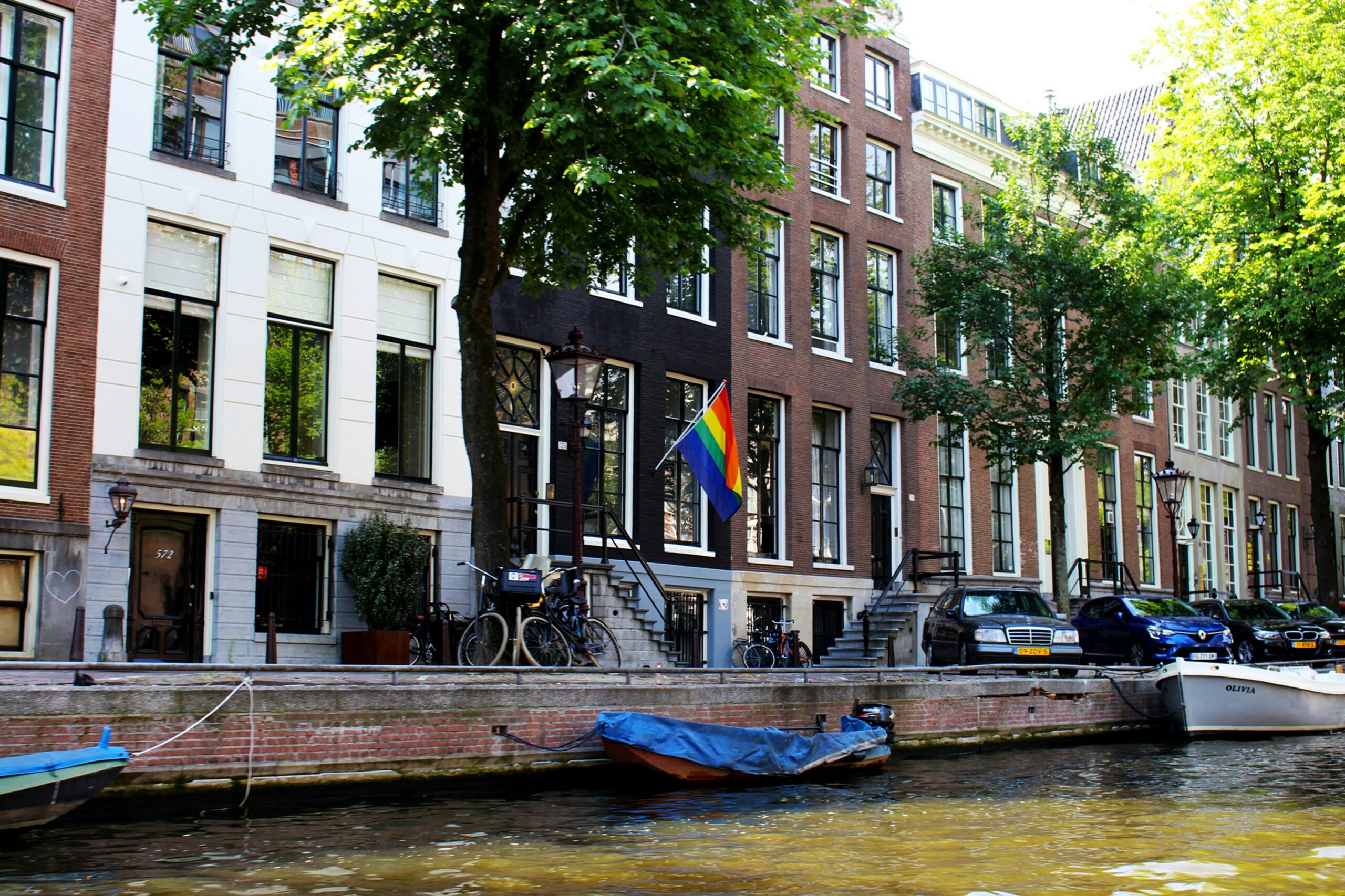
The Jordaan is Amsterdam’s most iconic neighbourhood – narrow canals, brown cafés, independent bookshops, and flower stalls that actually smell like flowers rather than tourist traps. It sits immediately west of the city center and is within walking distance of the main event zones, the Canal Pride route, and the Reguliersdwarsstraat queer strip.
Staying in the Jordaan during WorldPride is the best possible base if you want to be in the middle of everything. You will pay for that. Prices during WorldPride fortnight will be significantly higher than normal Amsterdam rates – this is a global event pulling visitors from 180+ countries. Budget accommodation in this area during those two weeks is essentially a fiction. If this is your base, you’re looking at boutique hotels or apartment rentals, and you’re booking months ahead.
The Canal Ring (the UNESCO-listed belt of canals around the city center) has similar proximity and a slightly more varied range of accommodation, including some genuinely beautiful canal house rentals that – when split across a group or a couple – make financial sense.
De Pijp: Artsy, Inclusive, and a Little More Budget-Friendly
De Pijp sits south of the city center and is one of Amsterdam’s most culturally interesting neighbourhoods – diverse, locally loved, and home to the Albert Cuyp market (the largest street market in the Netherlands). It’s about 20–25 minutes’ walk to the main Pride zones, or a few stops on the tram.
For queer women who want to be close enough to everything but not surrounded by it 24 hours a day, De Pijp is the right answer. The neighbourhood has a strong LGBTQ+ presence year-round, the food scene is excellent, and accommodation is meaningfully cheaper than the Canal Ring.
Near Museumplein: For the Culture-Led Traveler Who Wants a Quieter Base
If you want to combine WorldPride with Amsterdam’s extraordinary museum culture – the Rijksmuseum, the Van Gogh Museum, and the Stedelijk are all here – then the area near Museumplein (Museum Square) offers a quieter residential base with excellent tram access to the event zones.
WorldPride 2026 is expected to include exhibitions and queer history programming at the Rijksmuseum specifically, which makes this neighbourhood particularly relevant. It’s also close to the Vondelpark, which is one of the most beautiful urban parks in Europe and will be a daily respite if the city gets overwhelming.
Booking Strategy: How to Secure Accommodation Before It’s Gone
How Early Is Too Early? (Honest Answer: You’re Probably Already Late)
WorldPride Amsterdam 2026 is expected to be one of the largest gatherings in the city’s history. The event’s scale, combined with the 25th anniversary significance and global political moment, means this is not an event where you wait to see if prices drop. They won’t. They will go up, and then they will disappear.
If you are reading this before March 2026: book now. If you are reading this after March 2026: search for what remains, be flexible on neighbourhood, and extend your budget expectations.
One concrete strategy that works well for queer travelers booking events like this: make a refundable reservation immediately at a mid-range property, then continue searching for your ideal option while you have a confirmed fallback. Most hotel booking platforms allow free cancellation up to a certain date. Use that grace period actively.
Apartment Rentals vs Hotels: What Works Better for Queer Travelers?
For queer women traveling as a couple, with friends, or in a small group, apartment rentals often work better than hotels during major Pride events – for a few specific reasons. They give you a home base rather than a hotel room, which matters a lot when you’re attending events across multiple days and need somewhere to decompress. They’re usually better value per night when split across a group. And they sidestep the question of whether a hotel’s reception team will be genuinely welcoming versus performatively so.
The usual platforms apply, but for queer-specific accommodation options, misterb&b has a peer-verified listings model that is specifically designed for LGBTQ+ travelers. Worth checking alongside the mainstream platforms.
Heads up: If you’re planning to combine WorldPride with a honeymoon, elopement, or vow renewal in Amsterdam – which is genuinely a beautiful idea given the 25th anniversary significance of the city – our honeymoon planning guides can help you think through the full trip. Amsterdam as a destination wedding backdrop is having a genuine moment.
Getting Around Amsterdam as a Queer Traveler
Amsterdam is one of the most walkable cities in Europe, and for most of WorldPride, your feet will be your main transport. The city center is compact, the event zones are interconnected, and walking between neighbourhoods often takes less time than waiting for public transport in a crowd.
That said, Amsterdam’s public transport (trams, metro, and buses operated by GVB) is excellent and very easy to use. The I Amsterdam City Card gives you unlimited public transport alongside free or discounted entry to most museums – worth considering if you’re extending the trip beyond the Pride fortnight itself.
Cycling is, famously, how Amsterdam moves. Bike rentals are available everywhere. For queer travelers who are comfortable cycling, this is genuinely the best way to get around the city during events – you can go where the transport can’t, and the canal routes by bike are extraordinary. If you’re not a confident urban cyclist, skip this. Amsterdam’s cycling culture is efficient and somewhat unforgiving of hesitancy.
For getting to and from Schiphol Airport: the train to Amsterdam Centraal takes about 15 minutes and runs frequently. Don’t get in a taxi at the airport unless you’ve pre-booked – the rank taxis are significantly more expensive than they should be.
Eating, Drinking, and the Queer Social Scene in Amsterdam
Queer Women’s Bars and Spaces Worth Knowing
Amsterdam’s queer social scene is one of the oldest and most established in the world, but it is – like queer scenes in most major cities – more male-dominated in its nightlife infrastructure than many of us would like. The good news is that WorldPride 2026 changes this balance significantly, with Women & Pride events and pop-up spaces running throughout the fortnight.
The Reguliersdwarsstraat is the main queer strip – a short street in the city center lined with bars and clubs. Café Saarein in the Jordaan has a long history as a women’s space and is worth knowing about. During WorldPride specifically, follow the Women & Pride programme for events and pop-ups that will be announced closer to the date – this is where the specifically queer women’s scene will be most visible.
Where to Eat in Amsterdam (That’s Actually Good)
Amsterdam’s food scene has improved dramatically over the last decade and is now genuinely excellent. For specific areas: the Jordaan has some of the best independent restaurants in the city. De Pijp has extraordinary diversity in its food offering – particularly around the Albert Cuyp market and the streets running off it. The Nine Streets (Negen Straatjes) area, which runs through the Canal Ring, has a concentration of cafés and small restaurants that are worth exploring for lunch.
Indonesian cuisine is Amsterdam’s unofficial home cuisine – a legacy of Dutch colonial history with Indonesia – and it is exceptionally good here. A rijsttafel (rice table) at one of the city’s traditional Indonesian restaurants is genuinely one of the best things you can eat in Amsterdam.
On the inclusive side: Amsterdam’s hospitality culture is generally excellent for queer couples. Public displays of affection are not just tolerated – they’re normal. You should not expect to encounter hostility in mainstream restaurants. The question is less ‘is this place safe?’ and more ‘is this place good?’
The Women & Pride Programme: What We Know So Far
At the time of writing, the full Women & Pride programme for WorldPride Amsterdam 2026 is still being announced incrementally on the official WorldPride website. What is confirmed is that Women & Pride is one of the seven dedicated community zones built into the event’s core structure – alongside Trans Pride, Bi+ Pride, Senior Pride, Youth Pride, Student Pride, and others.
Based on the programming model of previous WorldPride events, the Women & Pride zone will include a combination of panels, workshops, performances, and social events specifically designed for queer women and non-binary attendees. The zone is not a side stage – it’s a genuine focal point within the main programme.
Our strong advice: check the official programme directly at pride.amsterdam/en/worldpride as announcements are made through spring 2026. The schedule will be released in sections, and the most popular Women & Pride events will require early registration or ticketing.
This is the first time in history that Amsterdam has hosted WorldPride. The Women & Pride zone is not an add-on. It’s built in. That is worth a lot.
FAQ: Your Practical Amsterdam WorldPride Questions, Answered
One Final Thing Before You Book
There is a particular feeling that happens when you’re in a place that didn’t just include you but built itself around the idea of your right to exist. Amsterdam in 2026 will be that feeling, at scale, for 15 days straight.
The world is complicated right now for queer people. The rights that felt settled a few years ago are being contested in ways that many of us didn’t expect to see in our lifetimes. WorldPride Amsterdam 2026 is, in part, a response to that – a global gathering that says: we are still here, we are more visible than ever, and the city that gave the world its first legal same-sex marriages is opening its doors to us to mark 25 years of what that made possible.
You don’t have to make this political if you don’t want to. You can go for the events, the canal views, the Indonesian food, the Women & Pride programme, and the entirely reasonable joy of being surrounded by your community in one of the most beautiful cities in Europe. But if you want to be part of something that matters – this is it.
Book early. Check the programme at pride.amsterdam as it’s released. And if you’re planning the wider trip – honeymoon, elopement, vow renewal, or the first big adventure with someone you love – we’re here for all of that too.
Amsterdam said yes first. In 2026, the whole world gets to be there when it celebrates what that meant.