What Does a Wedding Officiant Do?
Your officiant is the only person at your wedding whose entire job is to make the room feel something.
A wedding officiant or celebrant is the person who leads your ceremony and makes your marriage legal. They are also, after your photographer, probably the most influential person in the room. Most lovers spend weeks choosing a venue and minutes choosing the person who shapes every word of the day.
This is the article that helps you fix that.
Think about the weddings you remember. Not the ones with the most elaborate florals or the best cake. The ones where you felt something in the room. The ones where the story of the humans getting married was told so well that people who had known them for decades learned something new. Ceremonies where there was giggles, or moments of quiet because people were completly captivated.
That was the officiant (sometimes called a celebrant, depending on where you live).
Your wedding officiant is the person who leads your ceremony. They make your marriage legal. But they do something far more important than that. They are the storyteller at the heart of your day. They set the tone for everything that follows. And they have more influence over how your wedding feels than almost any other decision you will make.
Most lovers don’t treat them that way. Most lovers spend months finding a venue, weeks deciding on flowers, and somewhere between one afternoon and a few emails choosing the person who will speak about their relationship in front of every person they love – far from enough!
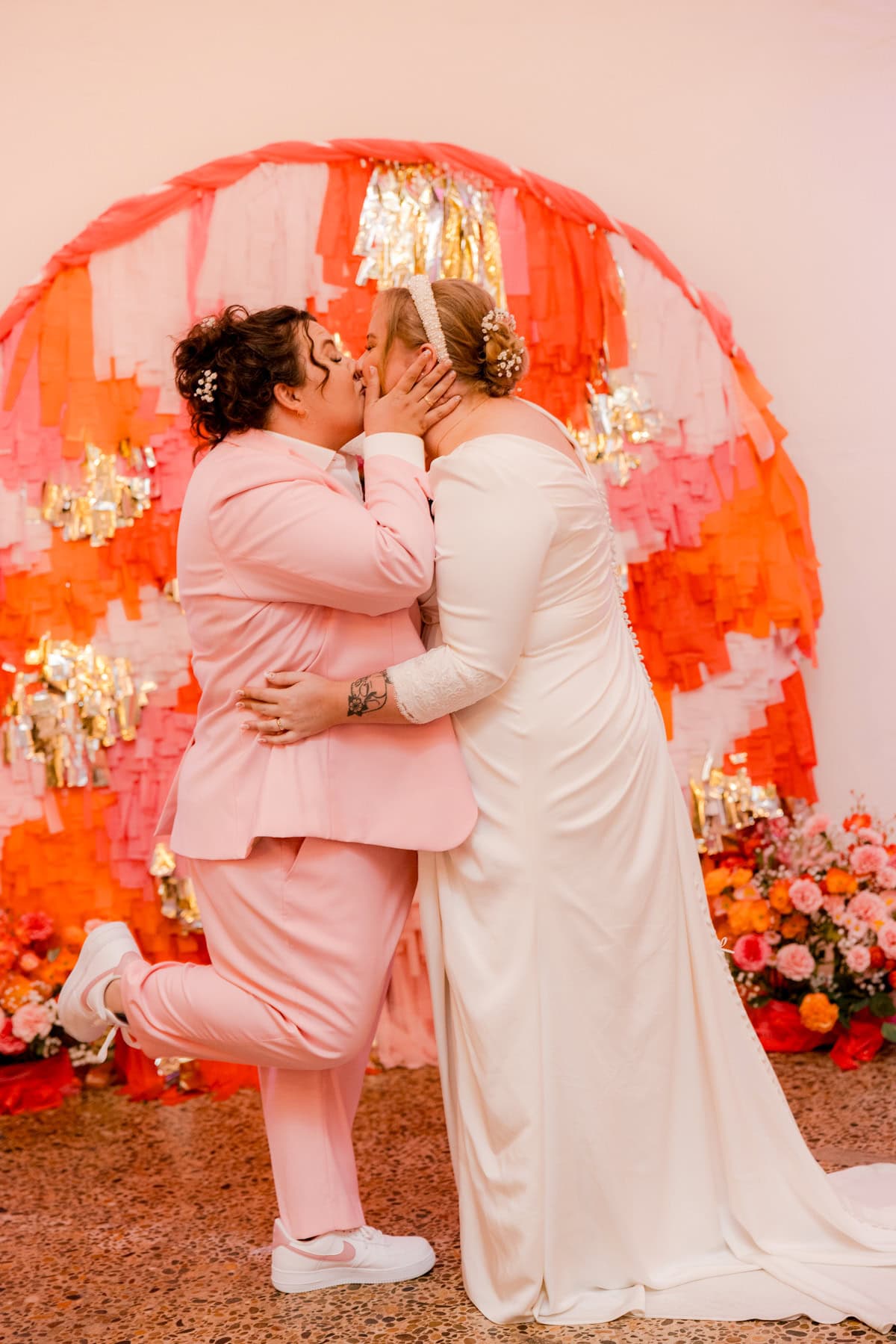
What Is a Wedding Officiant?
A wedding officiant is a person legally authorised to perform marriage ceremonies. Like we said, the title varies depending on where you live – in the US they might be called an officiant, a justice of the peace, or a marriage commissioner. In Australia, the legal term is marriage celebrant. In the UK, you will encounter both. Same role, different names.
What they have in common: they lead your ceremony, say the words that make your marriage legally recognised, and – if you choose well – do a great deal more besides.
One thing worth knowing early: you do not have to make your marriage legal at your wedding. You do not have to have a ceremony at all if that is not what you want. A family member or someone from your chosen family can host whatever you want to call what happens. You can sign the paperwork at the courthouse separately and spend your wedding day entirely how you see fit. There is almost nothing you actually have to do, and that includes this.
What follows is for people who want an officiant, and want to find the right one.
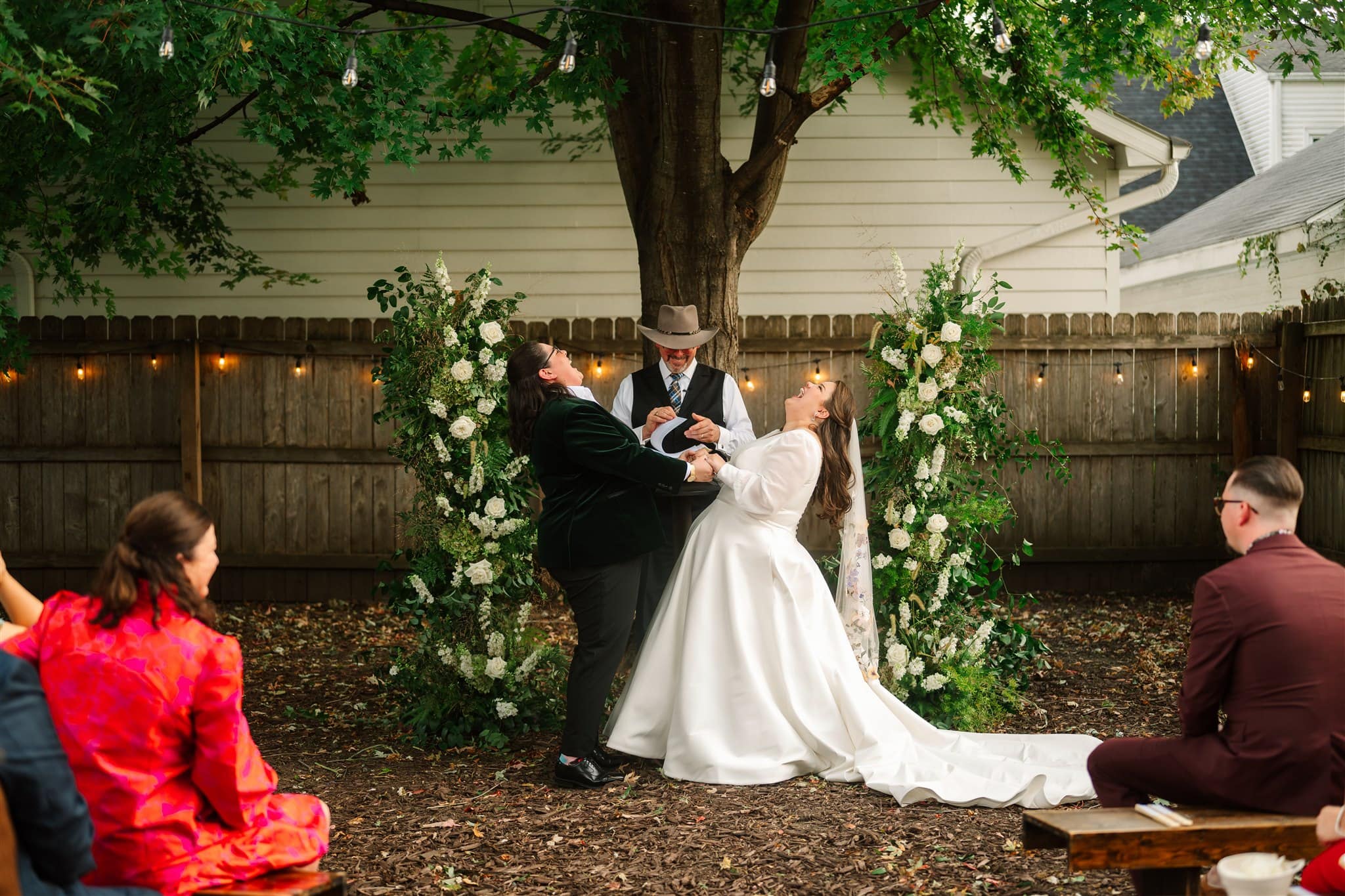
Types of wedding officiant. What’s the difference?
Understanding the main types helps you know what you are actually looking for.
- Civil or government official: A judge, magistrate, justice of the peace, or court clerk. Usually the most straightforward legal option, often used for courthouse weddings. Ceremony style tends to be brief and formal.
- Religious officiant: A priest, minister, rabbi, imam, or other religious leader authorised within their tradition. A good fit if faith is central to your relationship and you want that reflected in the ceremony. Usually involves pre-marital requirements from the institution.
- Professional civil celebrant: A trained, registered, non-religious celebrant. In Australia, these are formally accredited. In the US and UK, professional celebrants vary in training and registration. They write ceremonies from scratch, around you – no script handed down from a tradition.
- Friend ordained online: In many US states, a friend can get legally ordained online and perform your ceremony. Heartfelt option, but check local legal requirements really carefully. Some states have specific rules about who qualifies.
Most of the advice in this article applies to professional civil celebrants, since they offer the most flexibility and are the most commonly searched option. But there’s a little something in here for everyone looking to get married.
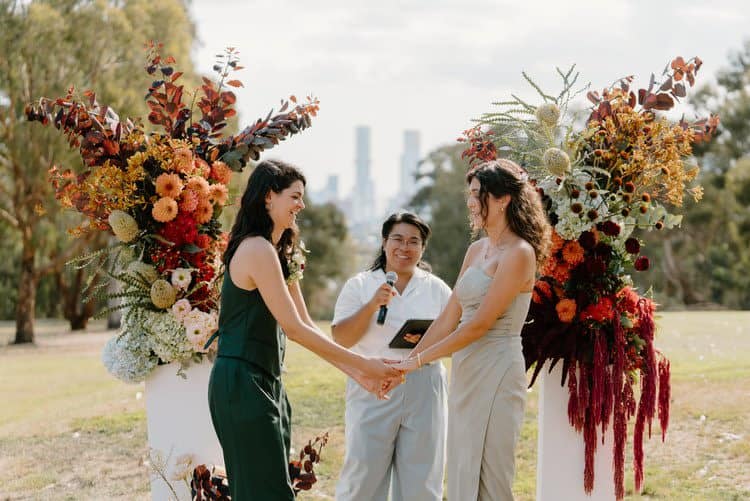
What Does a Wedding Officiant Do?
Here is what most people think an officiant does: show up, say some words, make it legal, leave. Here is what a good one actually does.
Before the wedding
- Meets with you (sometimes multiple times) to learn your story: how you met, what your relationship actually looks like, what you love about each other that you would never say without being asked.
- Interviews people around you. Maybe your friends, family, chosen family, and gather the details that make a ceremony feel real rather than generic.
- Writes your ceremony from scratch. Not just a template with your names inserted. Something built around you specifically.
- Shows you drafts, takes your feedback, revises. They’ll get the tone right, the balance between the moment that makes people laugh and the one that makes them go quiet.
- Handles your legal paperwork: marriage licence requirements, correct legal wording, filing documentation after the ceremony.
- Runs your rehearsal, walks your wedding party through their roles, and makes sure nothing is unclear before the day.
On the day
- They’ll arrive early, certainly before you do. They got to, setting the energy in the room before the ceremony begins.
- Officiants welcome guests and makes every person present feel included, including the ones who don’t know many people.
- They will pace the ceremony in real time: giving space where it is needed, moving things along when nerves start to show, holding the room when the quiet matters.
- And, they’ll stand by you as they guide you through your legal vows so nothing feels uncertain or stumbled.
- And, very importantly, they handle the unexpected. Weather, a nervous reader, a late arrival – without making it a moment.
What makes a wedding day memorable isn’t the styling on the table. It’s the vibe and the energy. And that’s what people remember.
The ceremony is the part of the day people talk about. Not the canapes, not the centerpieces. The moment the two of you said the thing out loud. Your officiant holds that moment and it’s worth treating that seriously.
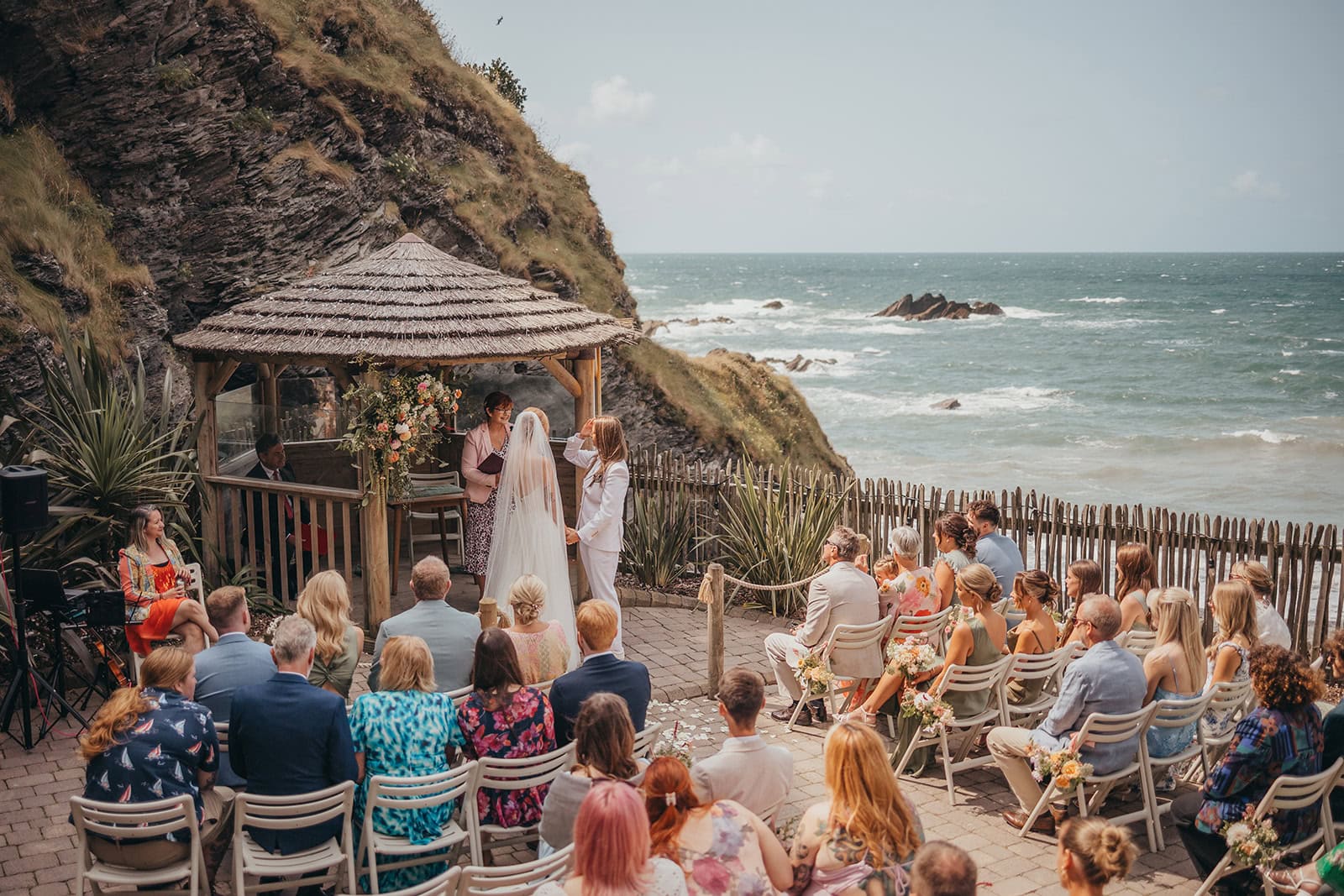
How to Choose the Right Wedding Officiant or Celebrant
The ceremonies that land are always the ones where someone authentically told the couple’s story. Where the officiant matched the energy of the couple – not just their values or their aesthetic, but their actual energy in a room.
There are officiants who will get the party started before you have even arrived. High energy, warm, the kind of presence that has people leaning forward. If that is your wedding, they are extraordinary. If your wedding is quiet and intimate and you both cry watching romcoms, they are the wrong choice.
There are officiants who are romantic and measured and will find the silence in your story and hold it. They are extraordinary for a completely different couple.
Neither is better. Both are right, just for different people. The question is which one is right for you. And you cannot answer that from a website or an Instagram grid. You have to meet them.
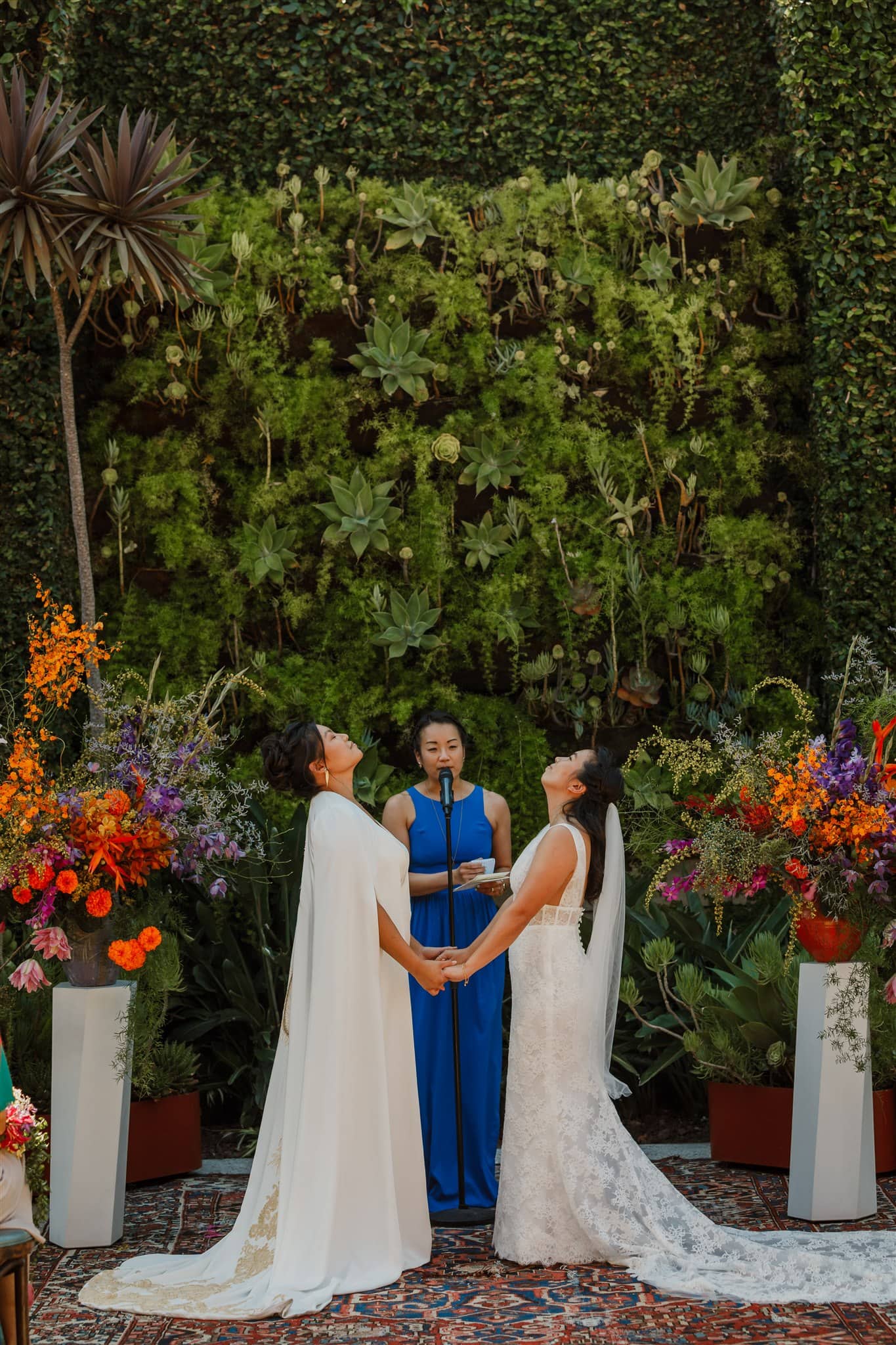
What to Look For in Your First Consultation with a Wedding Officiant
Go in knowing what you want, or at least knowing the questions. Do you want a ceremony written entirely around your story? Or are you happy with a framework, with your details woven through? Long or short? Funny or earnest? Witnesses and rituals and readings – or married and at the bar in ten minutes?
Be honest about all of it. A good officiant will tell you if they can deliver what you are describing. A great one will ask questions that help you figure out what you actually want.
That is what to pay attention to: are they asking you questions? Are they genuinely curious about your story? Do they seem like someone who wants to tell it – or like someone who wants to get through the meeting and add you to their calendar?
You are handing this person the most significant part of your day. The relationship you build with them before the wedding is part of what makes it work.
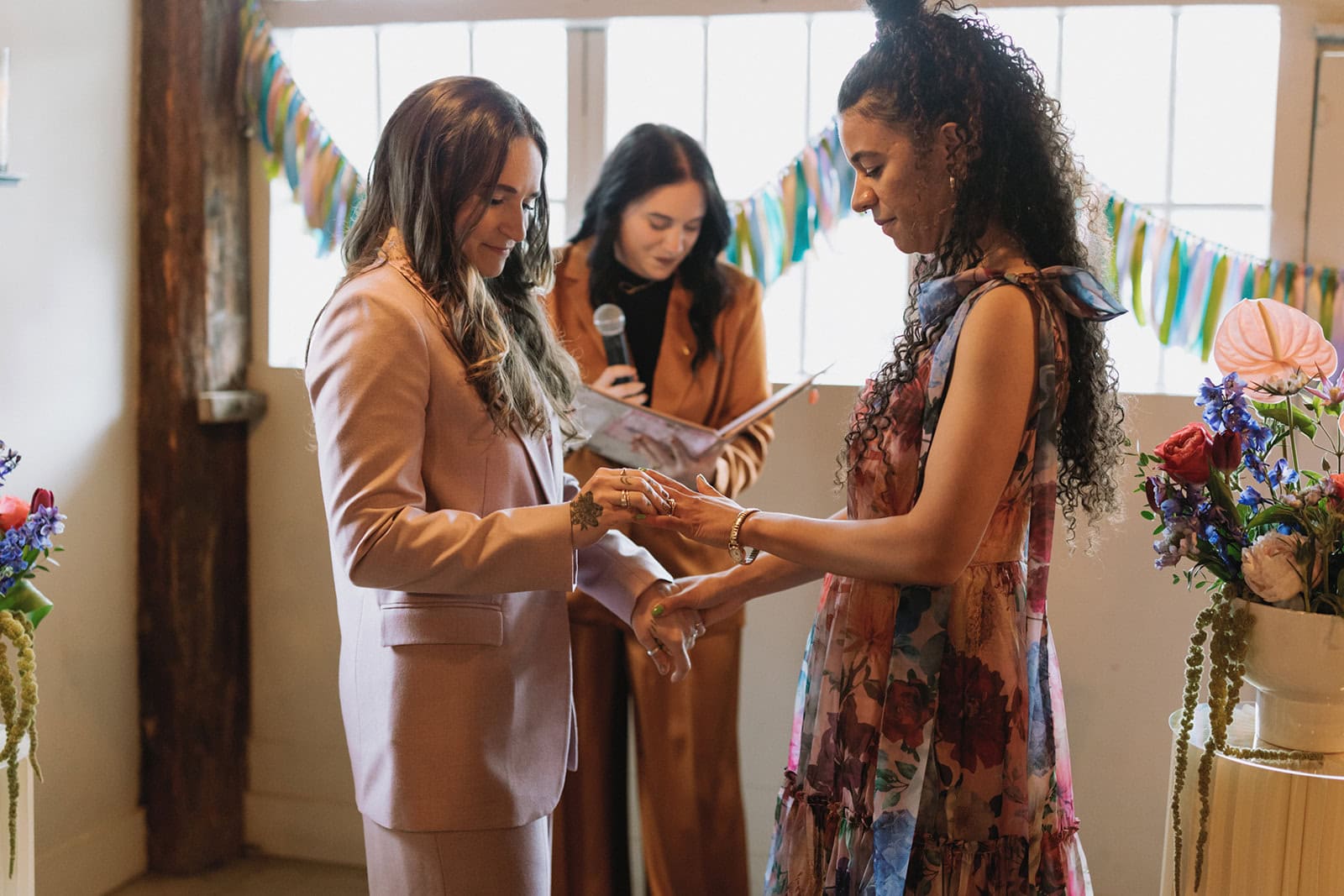
Questions to Ask Before You Book
These are not the only questions. They are the ones you should not skip.
- Can I see a sample ceremony script? Not necessarily their best one, but a typical one. You want to know what their writing actually sounds like.
- Who writes the ceremony – you, or us. Or do you outsources? The answer should involve genuine collaboration.
- What’s your process for getting to know us before you write anything? A questionnaire is a start. What comes after that?
- Are you using AI when you’re putting together a ceremony? This is important to ask, if it’s important to you.
- Have you officiated ceremonies like ours before? Not about credentials . This is just about whether they will bring assumptions to your day.
- Will you be at the rehearsal? A good officiant runs it. If they are not offering this, ask why.
- What happens if you are sick or have an emergency on the day? They might have a network they’d reach out to, are they your vibe too?
Are you legally registered to marry us in our state or country? Especially important across jurisdictions.
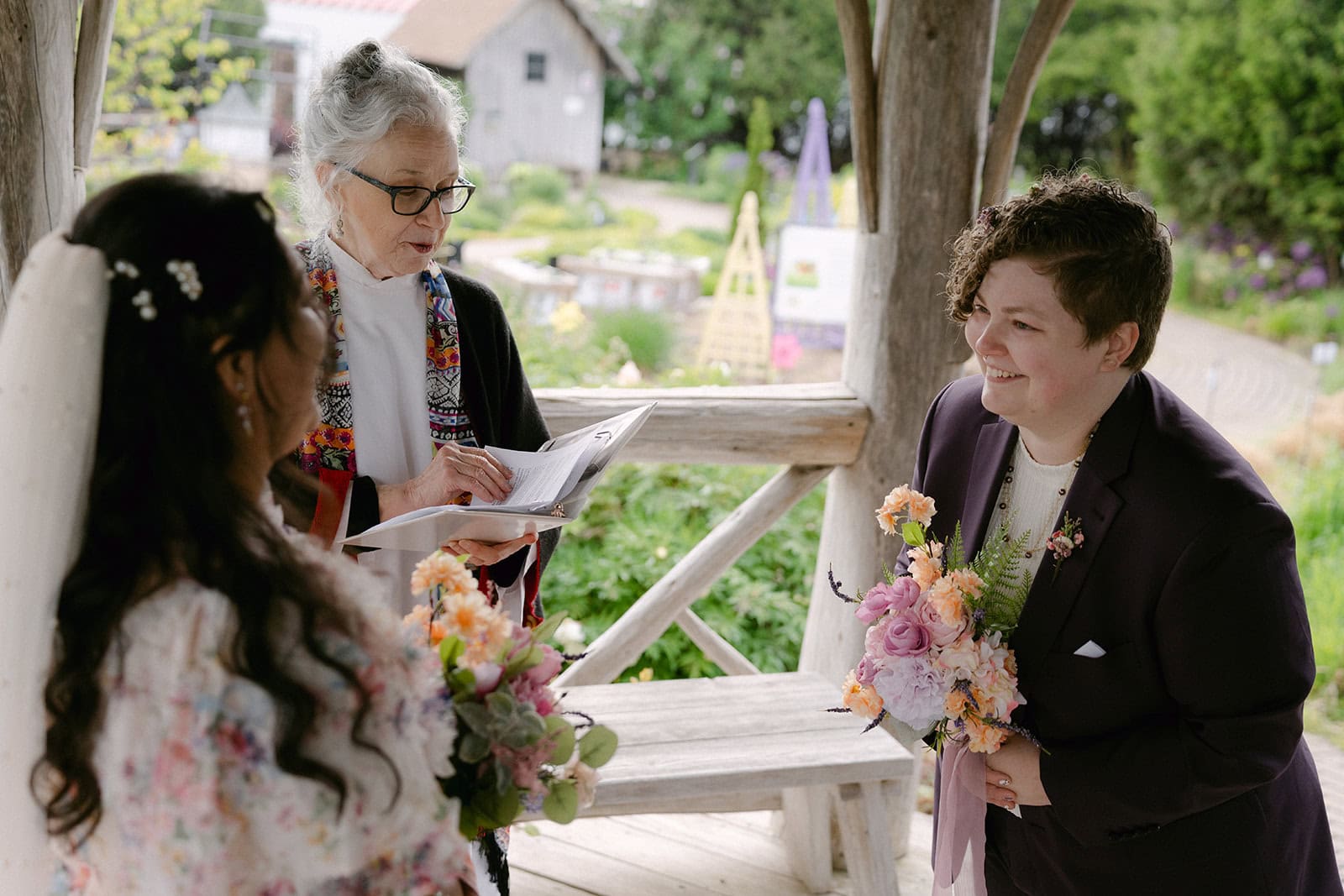
Red Flags to Watch For when Hiring a Wedding Officiant
Officiants get it wrong more often than we talk about. Some will take any booking regardless of whether they are the right fit. Some arrive having done far less preparation than you expected. And some bring their own assumptions – about what a relationship looks like, about what a family is, about what language belongs in a ceremony – that have no place in yours.
We have heard from couples who discovered, during the ceremony itself, that their officiant was not comfortable with the relationship in front of them. There is no way to quantify what that costs. It changes how you remember your wedding day, permanently.
Misgendering happens too, unfortunatly. Of the couple, of the people standing beside them, of the family in the front row. Getting that wrong in that moment is not a small mistake. And assumptions about what a family looks like – who is included, how relationships are named, whose role in the day is acknowledged – matter in ways that become obvious only when they are handled badly.
The solution is the meeting, and the questions. Do not assume that someone who describes themselves as inclusive knows what that means in practice for your specific relationship and family. Ask for examples. Ask how they handle what makes your situation specific. Pay attention to whether they are asking you the same questions back.
You are not looking for someone who is fine with it. You are looking for someone who is genuinely good at it.
Every couple deserves an officiant who has thought carefully about their specific relationship, their specific family, and their specific day – and who shows up ready to honour exactly that. Straight, queer, religious, secular, blended families, chosen families, complicated families. All of it. The right officiant handles all of it without needing you to guide them, or put in the emotional labor.
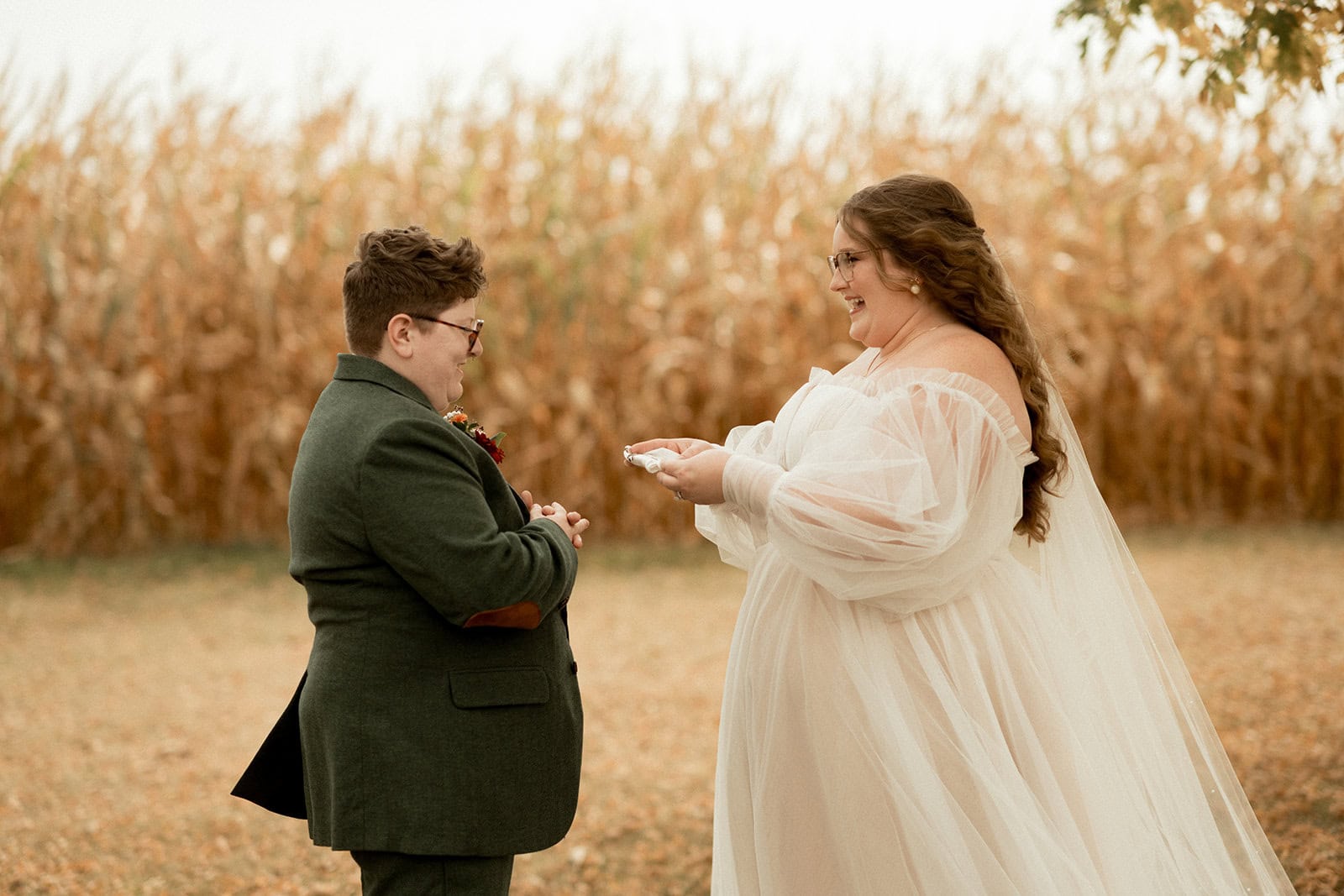
What a Great Wedding Officiant Looks and Feels Like
You know it when you find it. The meeting will feel like a conversation, not a presentation. They ask more than they tell. They seem actually interested and not ‘performed-interested’. They remember what you said when they follow up.
They are honest about what they do well and what they do not. They will tell you if the ceremony you are describing is not something they can genuinely deliver. That is not a red flag. That is the kind of person you want running your wedding.
And the ceremony itself, when it comes, sounds like you. Not the version of you that filled in a questionnaire – the version your closest people know. That is what a great officiant produces: something so specifically yours that a stranger in the room still feels the truth of it.
A Note on Cost
We are not going into detail on pricing here – we have covered that separately, with some real numbers from real celebrants. The short version: you get what you pay for. The officiant is not the place to find savings. If the ceremony is what people remember, it is also worth investing in.
Read the full breakdown: dancingwithher.com/how-much-does-a-wedding-celebrant-cost/